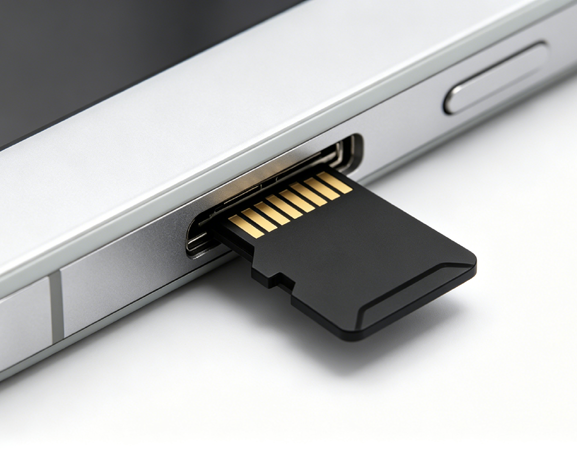
Over the past year, prices of TF (MicroSD) cards have soared, with most mainstream models more than doubling in price, and high-speed memory cards seeing even steeper increases. This price surge is not a short-term market speculation. At its core, the explosive growth of the artificial intelligence industry has reshaped the global supply and demand of flash memory chips.
TF cards are built on NAND flash memory chips, the bulk of which are produced by three major manufacturers: Samsung, Micron and SK Hynix. The current rush to build large model training infrastructure and AI data centers means a single AI server consumes several times more storage than a regular server. Cloud service providers are snapping up enterprise-grade solid-state drives and competing fiercely for flash memory wafer capacity. Enterprise storage delivers far higher profit margins than consumer TF cards. Foundries have therefore rearranged production schedules, prioritizing advanced manufacturing processes for AI computing orders while drastically cutting output of ordinary NAND chips used for memory cards. Wafers originally allocated to TF card production have shifted toward high-margin storage products for AI servers, directly triggering shortages of consumer-grade flash memory.
Major memory chipmakers have also voluntarily reduced output of general-purpose flash chips to prop up prices, dragging industry inventories down to a five-year low and further tightening supply for TF card raw materials. Meanwhile, new AI applications have boosted end-user demand for memory cards. The widespread use of drones, vehicle dashcams, portable AI devices and short-video recording equipment has created steady demand for high-capacity, high-speed TF cards. The widening gap between supply and demand, combined with stockpiling by distributors anticipating further price rises, has pushed retail prices higher across the board.
Constructing new chip production lines takes up to two years, so no new capacity can be added in the short term. With ongoing heavy investment in AI computing infrastructure, tight supply of flash memory will persist, and elevated TF card prices are likely to remain for a long time.