

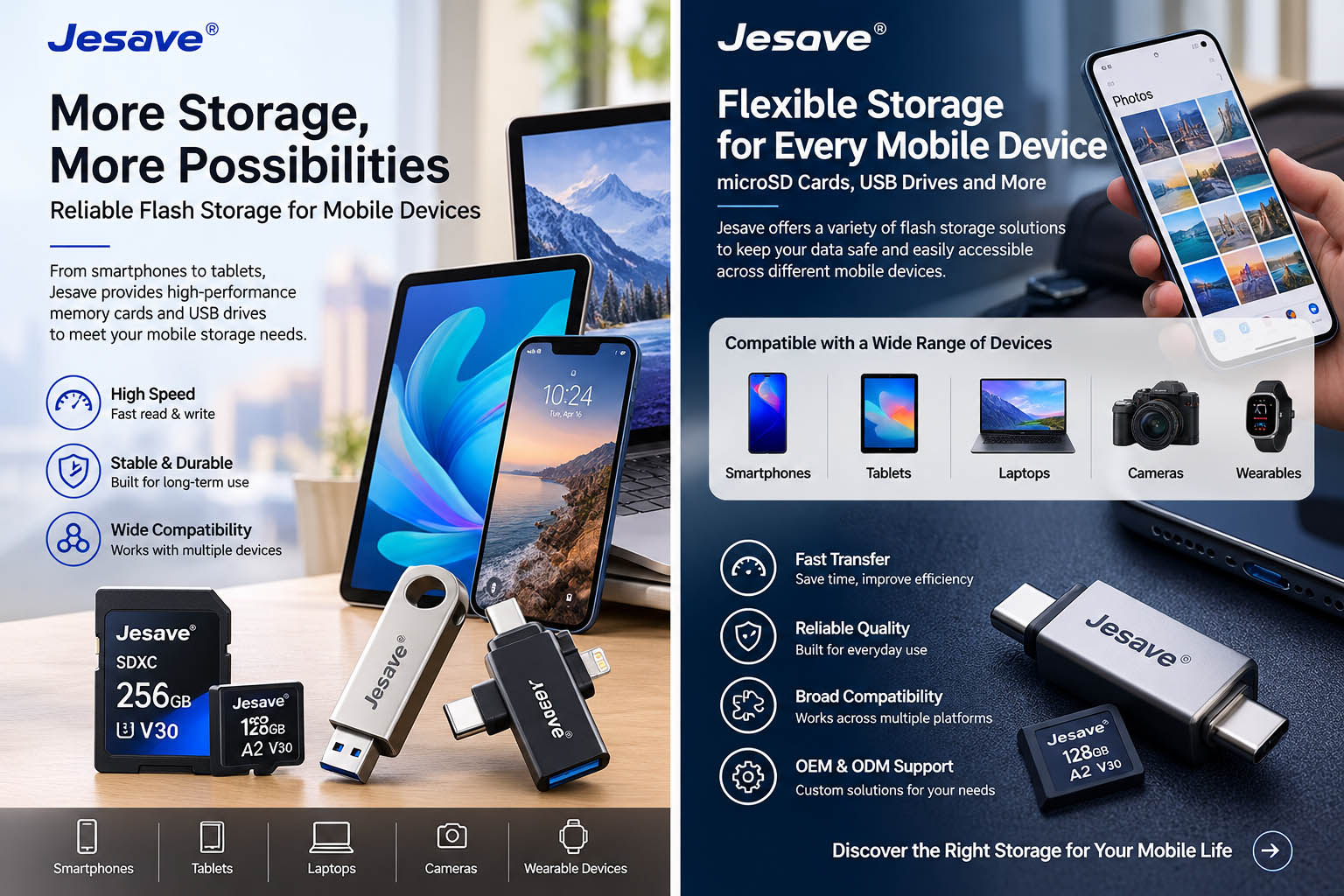
Choosing Flash Storage for Mobile Devices: microSD Cards, USB Drives and Compatibility
A phone can fill up quickly when it is used for photos, 4K video, downloads and large applications. For manufacturers and users looking for additional storage, the first question is not simply how many gigabytes are available. The device itself determines which storage options can actually be used. Some Android phones and tablets support…
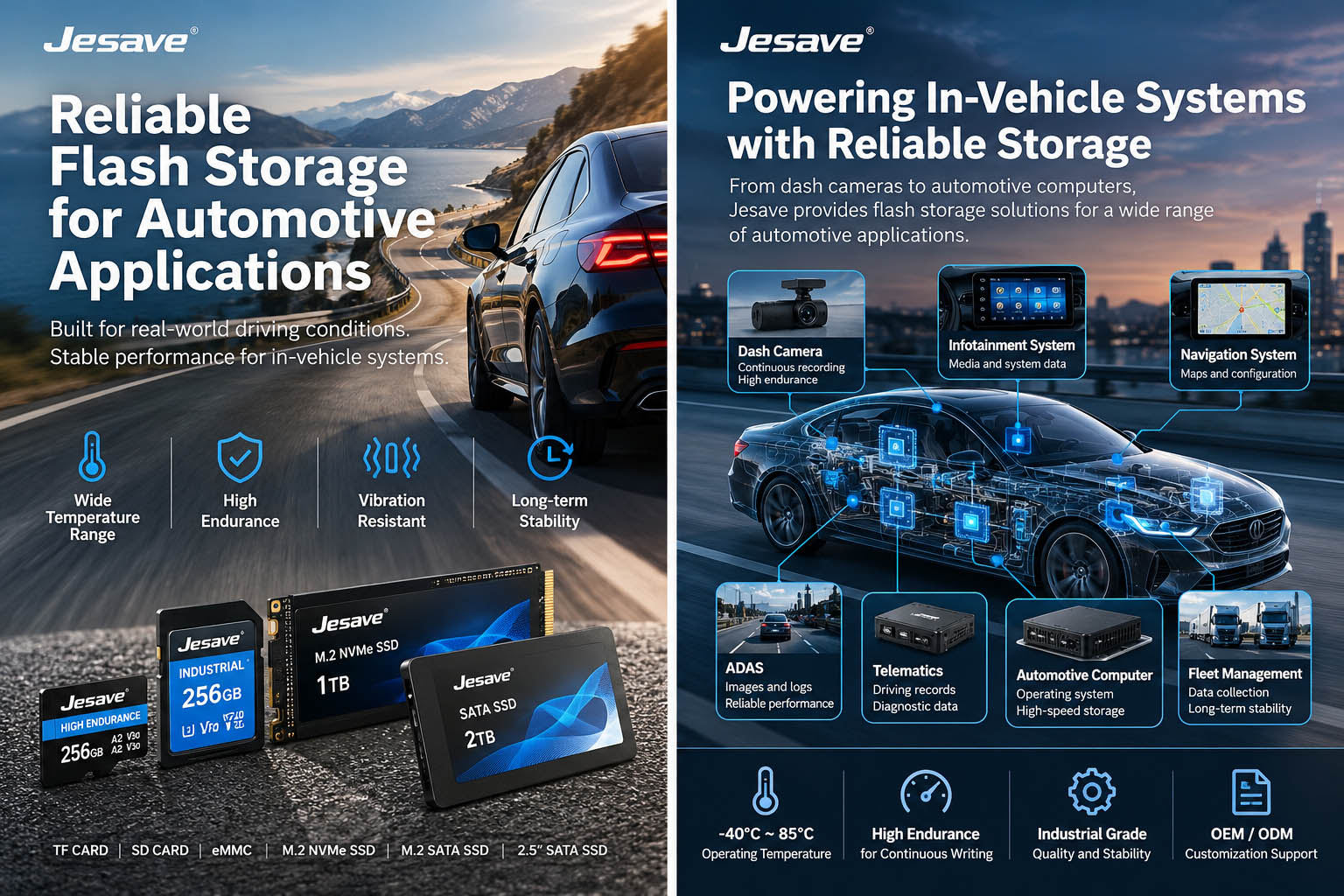
How to Choose Flash Storage for Automotive Applications
A storage device inside a vehicle may face a very different workload from the same type of device used in a phone or laptop. Navigation systems, vehicle displays, dash cameras, telematics units, infotainment systems and other embedded electronics can operate for long periods while being exposed to vibration, temperature changes and repeated data writes.…
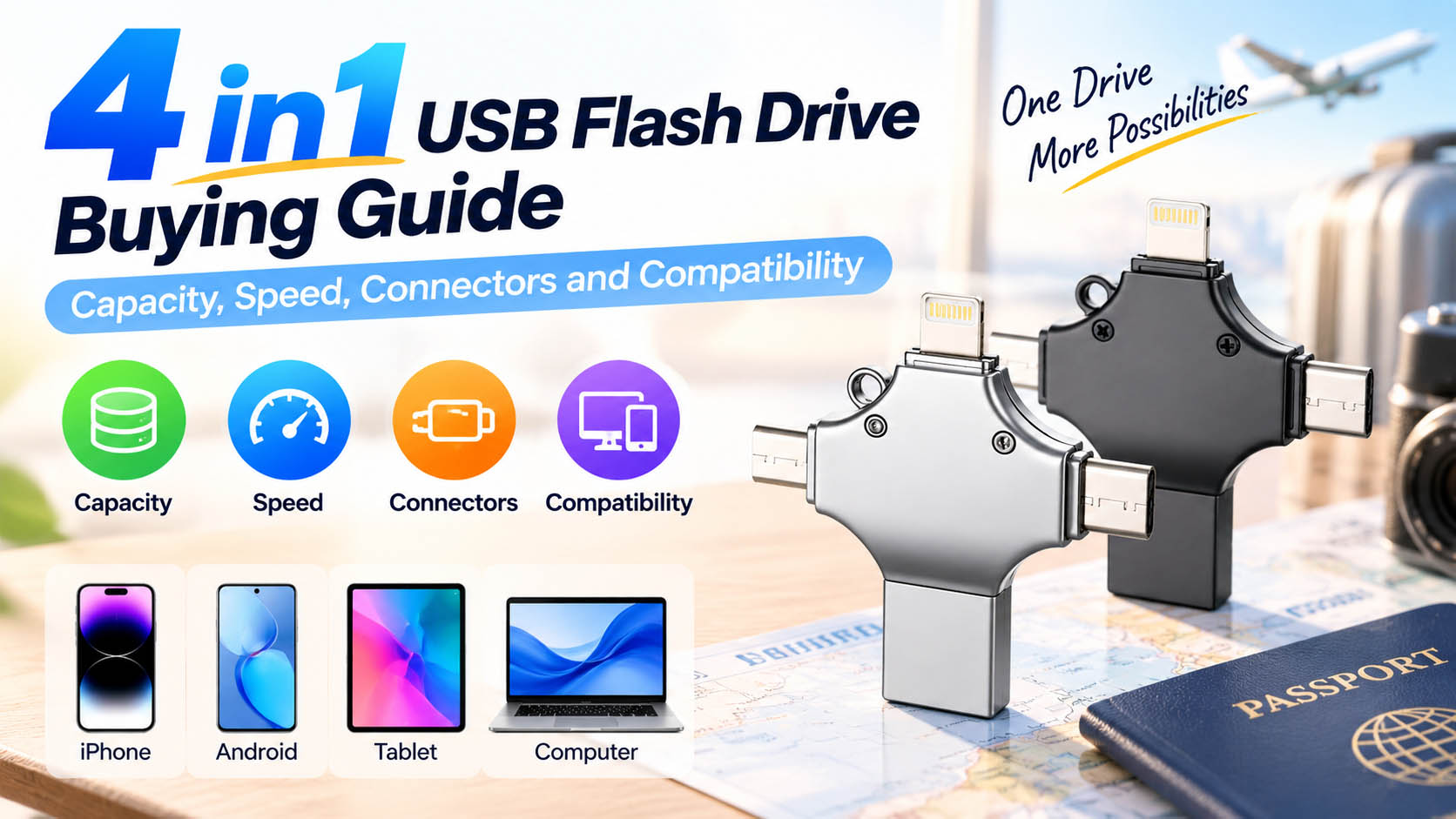
4 in 1 USB Flash Drive Buying Guide: Capacity, Speed, Connectors and Compatibility
Buying a 4 in 1 USB flash drive is less about finding the drive with the biggest capacity or the most impressive speed number. The more practical question is whether its connectors match your devices, its storage is enough for your files, and its actual performance is suitable for the way you work. A…
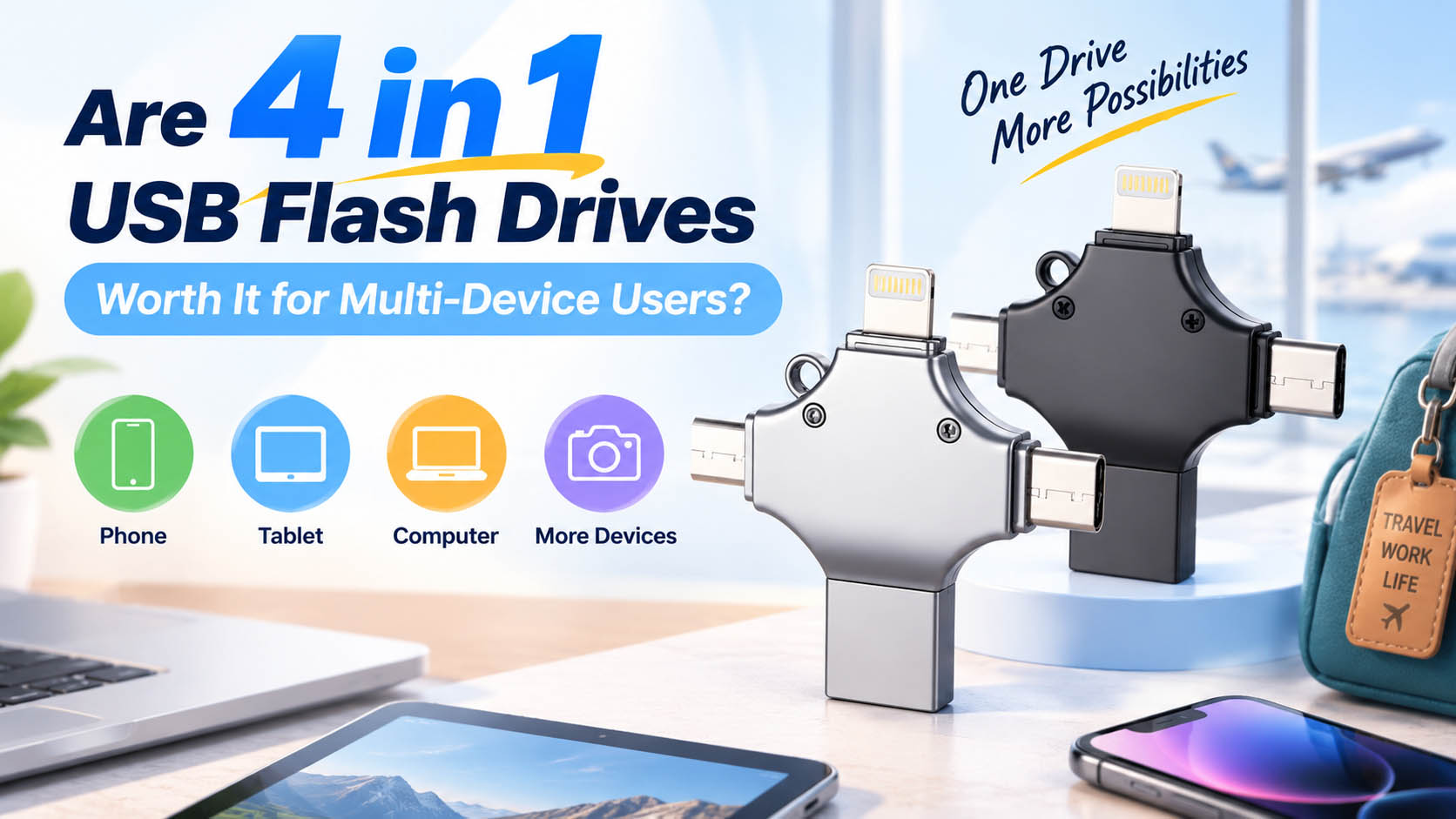
Are 4 in 1 USB Flash Drives Worth It for Multi-Device Users?
A photographer may need to move images from a phone to a laptop, a sales representative may carry documents between different computers, and a family may have phones using different connectors. In these situations, the problem is rarely storage capacity alone—it is getting different devices to work with the same storage device. That is…
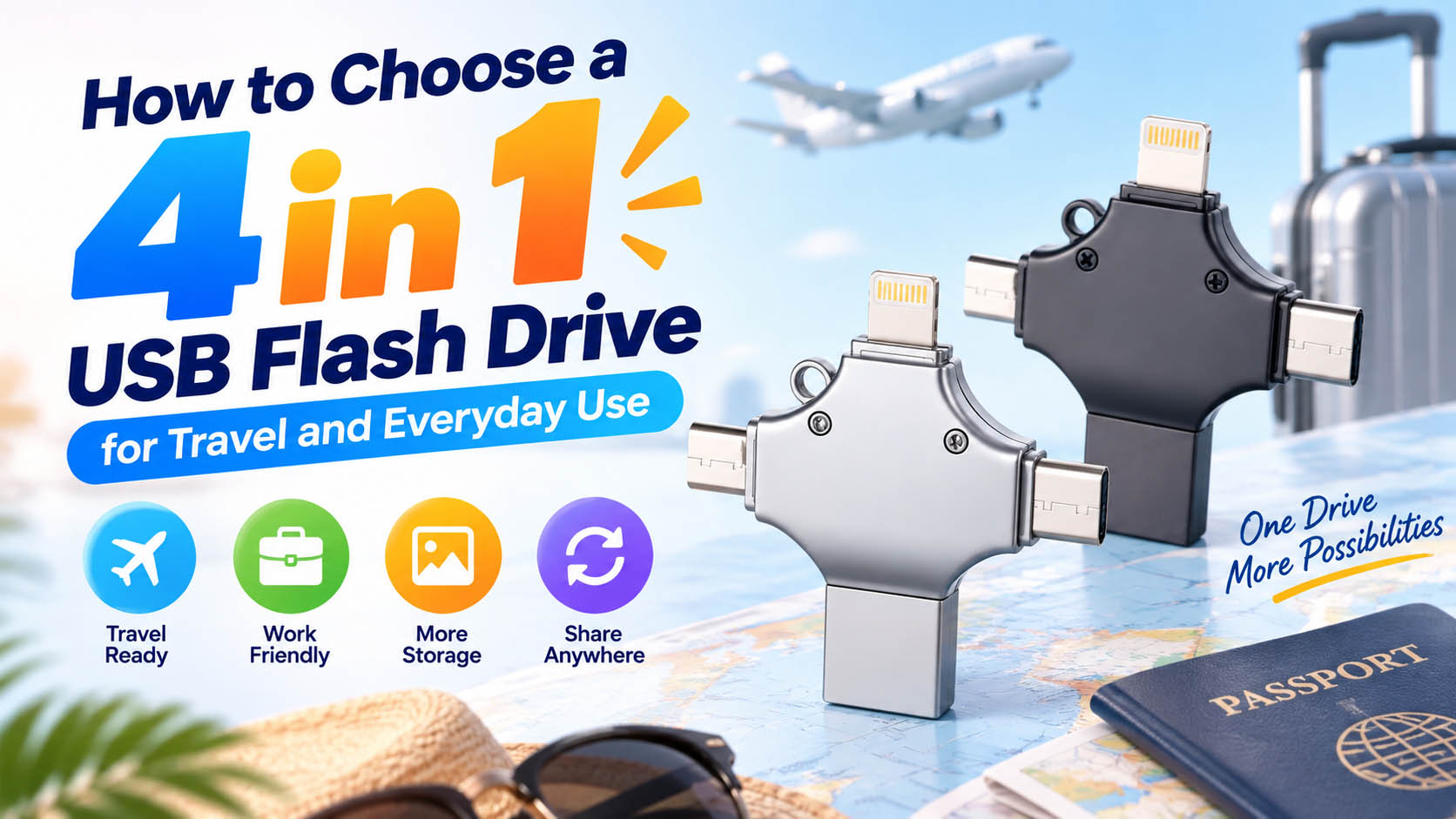
How to Choose a 4 in 1 USB Flash Drive for Travel and Everyday Use
A phone running out of storage halfway through a trip is an easy problem to avoid—especially when hundreds of photos and videos are involved. A 4 in 1 USB flash drive can serve as a compact offline storage tool, allowing travelers to move files between phones, tablets and computers without carrying separate adapters. For…