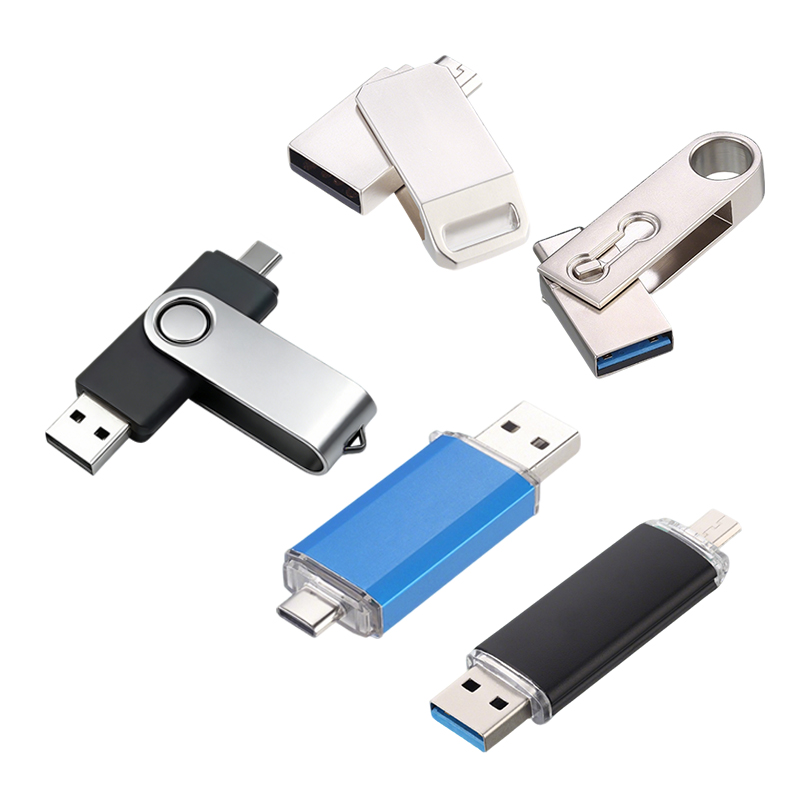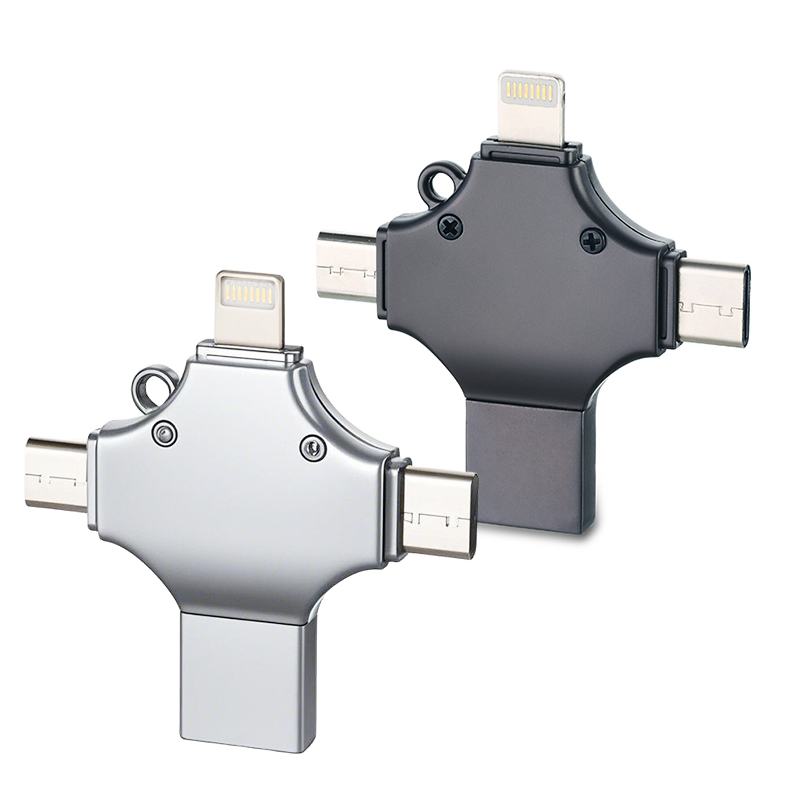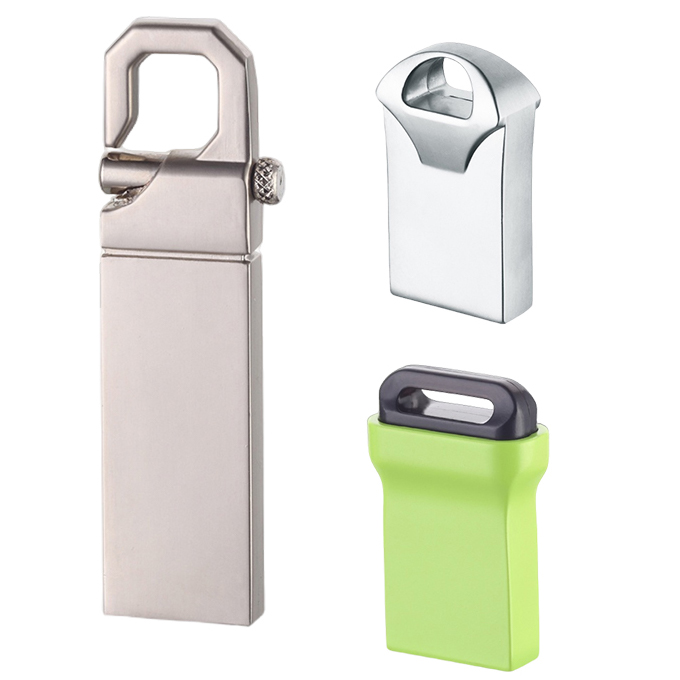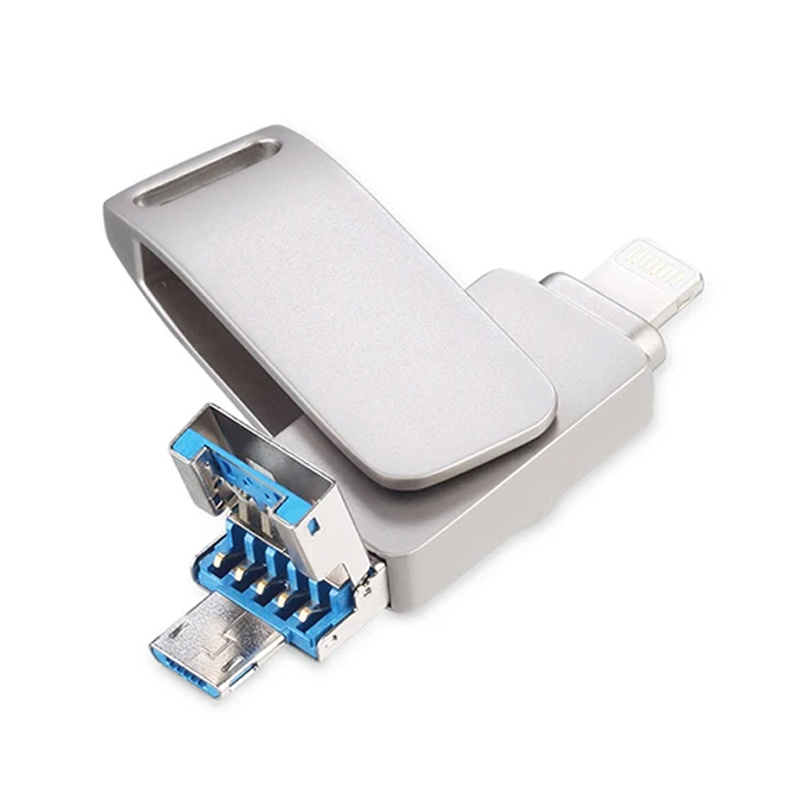
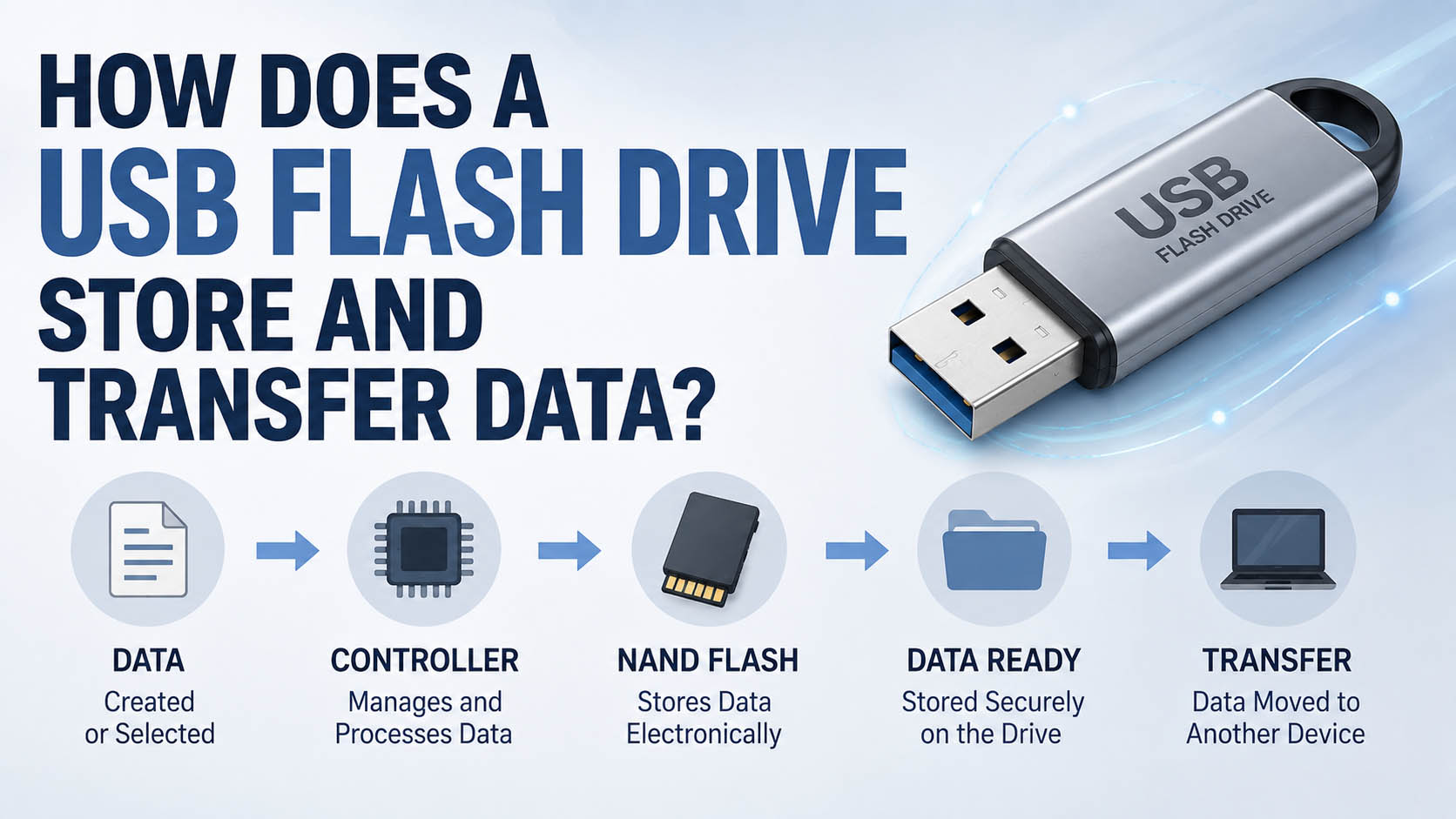
A USB flash drive stores digital files using NAND flash memory and transfers data through a USB interface. A controller manages communication between the host device and NAND flash, while firmware handles data management, error correction and storage optimization.
For B2B buyers, performance depends not only on capacity but also on NAND quality, controller selection, USB interface, firmware, QC and supply-chain stability.
Quick Answer: How Does a USB Flash Drive Work?
| Step | What Happens |
|---|---|
| 1. Connect | USB drive connects to a computer or device |
| 2. Detect | Host recognizes the USB storage |
| 3. Transfer | Controller receives data |
| 4. Process | Controller manages data and error correction |
| 5. Store | NAND flash stores data electronically |
| 6. Read | Controller retrieves stored data |
| 7. Transfer | Data is sent back to the host |
Simple flow:
Device → USB Interface → Controller → NAND Flash → Controller → USB Interface → Device
Main Components of a USB Flash Drive
| Component | Main Function |
|---|---|
| USB Connector | Connects to the host device |
| Controller | Manages data communication |
| NAND Flash | Stores data |
| Firmware | Controls storage operations |
| PCB | Connects electronic components |
| Housing | Protects internal components |
The core storage technology is NAND flash, while the controller determines how the host communicates with that flash.
How Does a USB Flash Drive Store Data?
NAND flash stores information electronically inside memory cells.
| Process | Function |
|---|---|
| Write command | Host sends data |
| Controller processing | Data is organized and managed |
| Error correction | Helps maintain data integrity |
| NAND programming | Data is stored in flash cells |
| Mapping | Controller tracks data locations |
Unlike a traditional hard drive, a USB flash drive has no mechanical disk or moving read/write head.
How Does a USB Flash Drive Transfer Data?
When a file is copied from a computer to a USB drive:
Computer → USB Protocol → Controller → NAND Flash
When the file is copied back:
NAND Flash → Controller → USB Protocol → Computer
| Performance | Importance |
|---|---|
| Read speed | Moving files from USB to device |
| Write speed | Saving files to USB |
| Sustained speed | Large/continuous transfers |
| Random performance | Small-file workloads |
For large videos and backups, sustained write performance can be more important than the advertised peak speed.
USB 2.0 vs USB 3.x
| Interface | Typical Application | Performance Position |
|---|---|---|
| USB 2.0 | Documents, basic storage | Entry |
| USB 3.x | Photos, videos, backups | Higher performance |
| USB Type-C | Modern devices | Connector type |
Important: USB Type-C is a connector format, not a guarantee of a particular USB speed.
Actual performance depends on the USB standard, controller, NAND, host device, file size and workload.
USB Flash Drive Capacity Guide
| Capacity | Best For |
|---|---|
| 16GB | Documents |
| 32GB | General files |
| 64GB | Photos + documents |
| 128GB | Videos + backups |
| 256GB | Large media |
| 512GB | Heavy storage |
| 1TB+ | Large professional libraries |
For general consumer use, 64GB–128GB is often a practical balance.
Why Two 128GB USB Drives Can Have Different Prices
Capacity alone does not determine product cost.
| Factor | Impact |
|---|---|
| NAND quality | High |
| Controller | High |
| USB interface | Medium–High |
| Read/write performance | High |
| Endurance | Medium |
| Housing | Medium |
| QC/testing | Medium |
| Packaging | Medium |
| Brand positioning | Medium |
A basic 128GB USB 2.0 drive and a high-speed 128GB USB 3.x drive can therefore have substantially different costs.
NAND Flash and Controller: The Core Technology
A USB flash drive can be viewed as:
NAND + Controller + Firmware + USB Interface + QC
| Technology | Impact |
|---|---|
| NAND Flash | Capacity + cost + endurance |
| Controller | Performance + compatibility |
| Firmware | Stability + data management |
| USB Interface | Transfer bandwidth |
| ECC | Error correction |
| Wear management | Storage lifespan |
| QC | Batch consistency |
For B2B procurement, evaluating the complete configuration is more meaningful than comparing capacity alone.
USB Flash Drive Quality Control
| QC Test | Purpose |
|---|---|
| Capacity test | Verify actual capacity |
| Read test | Check transfer performance |
| Write test | Check recording performance |
| Sustained transfer | Test large-file stability |
| File integrity | Verify data accuracy |
| USB compatibility | Test host devices |
| Aging test | Identify unstable units |
| Connector inspection | Check physical quality |
| Appearance inspection | Maintain consistency |
| Batch traceability | Support after-sales |
Supply Chain Advantages for USB Flash Drives
For wholesalers and electronics brands, a stable supply chain can improve both cost control and product consistency.
| Supply Capability | Buyer Benefit |
|---|---|
| Stable NAND sourcing | Better cost stability |
| Multiple sourcing channels | Lower supply risk |
| Controller matching | Better compatibility |
| Qualified components | Consistent batches |
| Production planning | Reliable delivery |
| Performance testing | Lower failure risk |
| Batch traceability | Better QC |
| Multiple capacities | More SKU options |
A competitive supplier should provide consistent quality, predictable supply and technical support, not simply the lowest price.
OEM USB Flash Drive Solutions
OEM/private-label production allows brands and distributors to create customized USB storage products.
OEM Customization Options
| Item | Options |
|---|---|
| Capacity | 8GB–1TB+ |
| USB Interface | USB-A / Type-C / Dual |
| USB Standard | USB 2.0 / USB 3.x |
| Housing | Plastic / Metal / Customized |
| Logo | Printing / Laser engraving |
| Color | Customized |
| Packaging | Box / Blister / Bulk |
| Barcode | Customized |
| Manual | Customized |
| Warranty Card | Customized |
| Retail Design | Private label |
OEM Development Process
| Stage | Process |
|---|---|
| 1 | Define application |
| 2 | Select capacity |
| 3 | Select USB interface |
| 4 | Match NAND + controller |
| 5 | Sample production |
| 6 | Performance testing |
| 7 | Device compatibility testing |
| 8 | Logo + packaging design |
| 9 | Pilot production |
| 10 | Mass production + QC |
USB Flash Drive vs External SSD
| Feature | USB Flash Drive | External SSD |
|---|---|---|
| Size | Very compact | Compact |
| Capacity | Small–large | Usually larger |
| Portability | Excellent | Excellent |
| Performance | Entry–high | Generally higher |
| Price | Lower | Higher |
| Best use | Everyday transfer | Large/high-speed workloads |
Common USB Flash Drive Buying Mistakes
| Mistake | Better Approach |
|---|---|
| Choosing only by capacity | Check speed + interface |
| Looking only at read speed | Check write performance |
| Assuming Type-C means faster | Check USB specification |
| Choosing only by price | Compare total cost |
| Ignoring compatibility | Test target devices |
| Skipping capacity testing | Verify actual capacity |
| Changing components frequently | Maintain a qualified BOM |
FAQ: USB Flash Drive Data Storage
How does a USB flash drive store data?
It stores digital information electronically in NAND flash memory. A controller manages where and how data is written and retrieved.
Does a USB flash drive have moving parts?
No. USB flash drives use solid-state NAND flash and have no mechanical disk or moving read/write head.
Is USB 3.x faster than USB 2.0?
USB 3.x generally provides significantly higher potential bandwidth, but actual transfer speed depends on the complete drive and host device.
Is USB Type-C automatically faster?
No. Type-C describes the connector. The actual performance depends on the USB standard and hardware.
What affects USB flash drive speed?
| Factor | Effect |
|---|---|
| NAND | Storage performance |
| Controller | Data processing |
| USB interface | Maximum bandwidth |
| Firmware | Optimization |
| File size | Real-world transfer rate |
| Host device | System limitation |
What is the best capacity for a USB flash drive?
For general use, 64GB–128GB is a practical starting point. Large video and backup workloads may require 256GB or more.
Can USB flash drives be OEM customized?
Yes. OEM programs can customize capacity, interface, housing, logo, color, packaging, barcode and retail design.
What affects OEM USB flash drive pricing?
| Factor | Impact |
|---|---|
| Capacity | High |
| NAND cost | High |
| USB standard | Medium–High |
| Quantity | High |
| Housing | Medium |
| Logo | Medium |
| Packaging | Medium |
How can wholesalers get better pricing?
Provide the supplier with a clear specification:
| Requirement | Example |
|---|---|
| Capacity | 128GB |
| Interface | USB-A + Type-C |
| Standard | USB 3.x |
| Quantity | 10,000 pcs |
| Housing | Metal |
| Logo | Laser engraving |
| Packaging | OEM retail box |
A detailed RFQ helps optimize NAND sourcing, controller selection, production planning and packaging costs.
Final USB Flash Drive Buying Checklist
| Check | ✓ |
|---|---|
| Capacity | ✓ |
| USB connector | ✓ |
| USB standard | ✓ |
| Read speed | ✓ |
| Write speed | ✓ |
| Sustained performance | ✓ |
| Device compatibility | ✓ |
| NAND/controller | ✓ |
| QC | ✓ |
| Supplier stability | ✓ |
| OEM capability | ✓ |
Final Recommendation
A USB flash drive stores data in NAND flash memory and uses a controller and USB interface to manage data transfer.
The most important factors are:
NAND Quality + Controller + USB Interface + Performance + QC
For B2B buyers, the strongest solution combines:
Stable NAND sourcing + optimized controller matching + strict QC + reliable supply chain + OEM customization.
This approach helps build consistent USB flash drive products for computers, smartphones, tablets, automotive electronics, promotional products and consumer electronics.