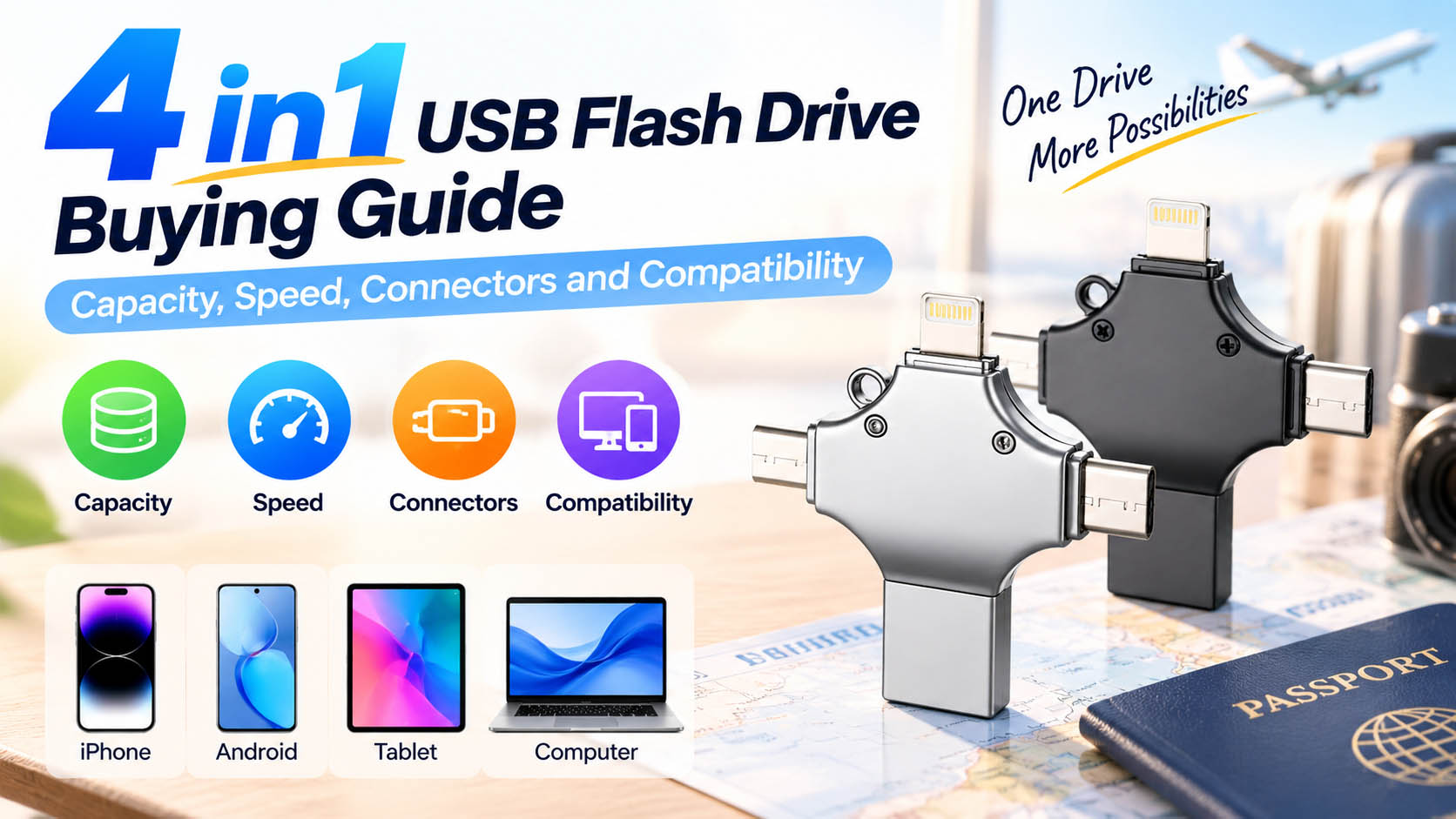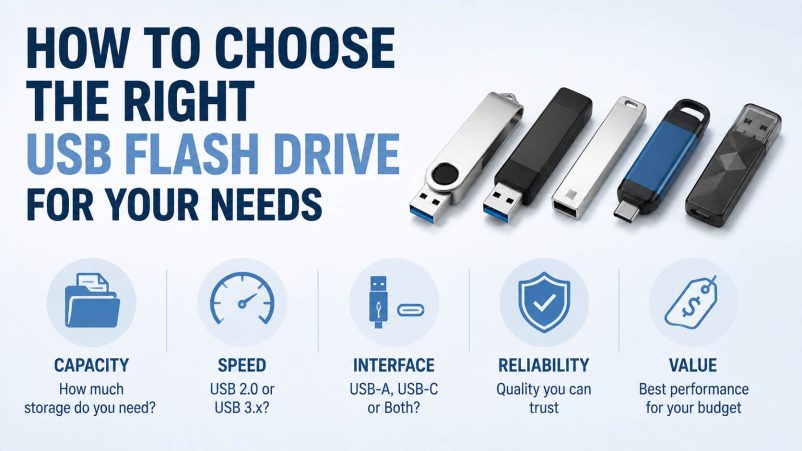
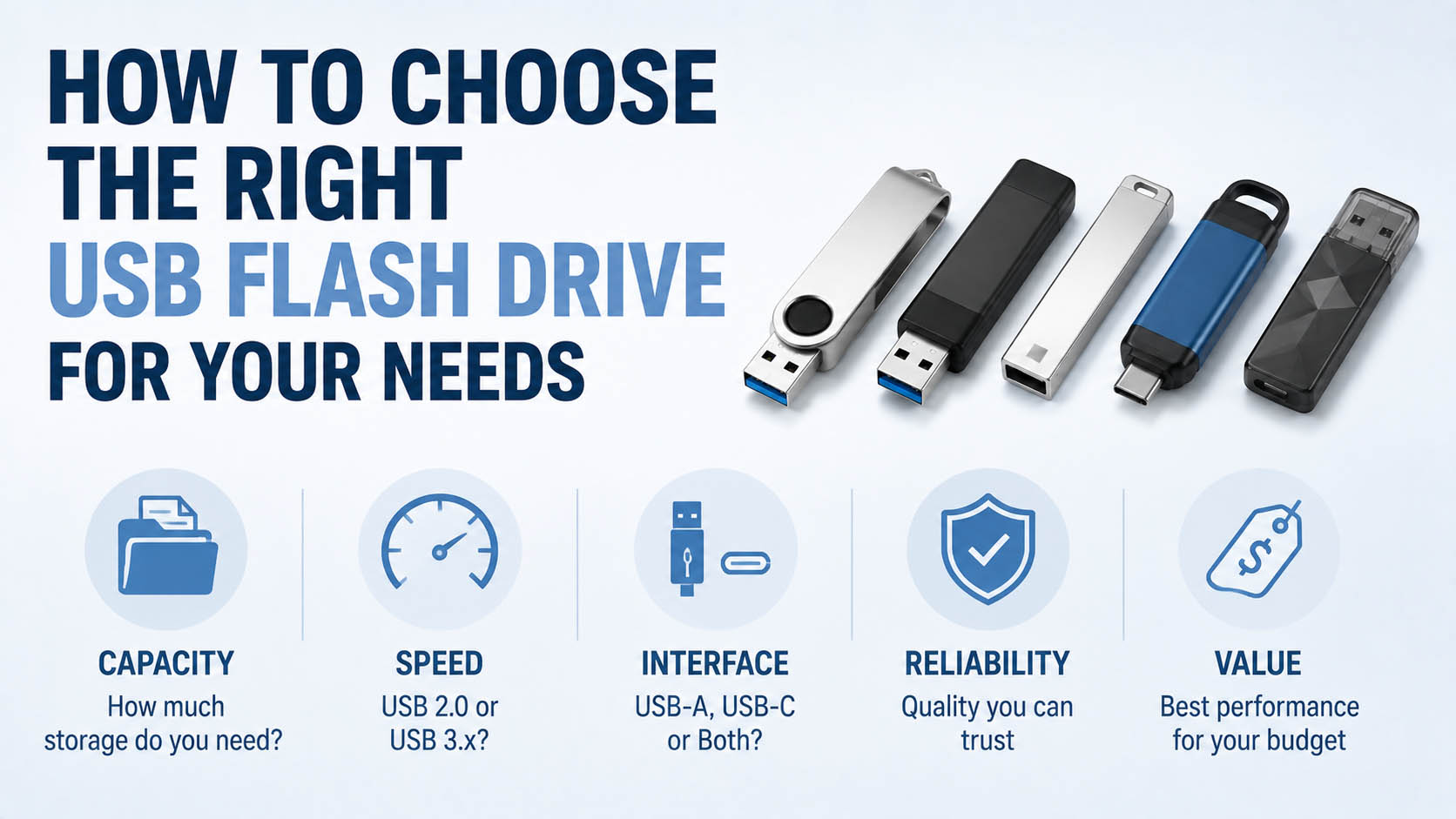
Choosing the right USB flash drive depends on more than storage capacity. The best choice should match your usage, speed requirements, device compatibility, reliability needs and budget.
For B2B buyers, distributors and OEM brands, product competitiveness also depends on NAND sourcing, controller selection, quality control, supply stability and customization capability.
Quick USB Flash Drive Selection Guide
| Usage | Recommended Capacity | Recommended Specification |
|---|---|---|
| Documents | 16GB–64GB | USB 2.0/USB 3.x |
| Office files | 32GB–128GB | USB 3.x |
| Photos | 64GB–256GB | USB 3.x |
| Videos | 128GB–512GB | High-speed USB 3.x |
| Backup storage | 256GB–1TB+ | Reliable high-capacity |
| Smartphone transfer | 64GB–256GB | USB Type-C |
| Business gifts | 16GB–64GB | Custom OEM |
For most users: 64GB–128GB USB 3.x is the best balance.
Step 1: Choose the Right Capacity
| Capacity | Best For | User Type |
|---|---|---|
| 16GB | Documents | Basic |
| 32GB | Office files | Everyday |
| 64GB | Photos + files | Popular |
| 128GB | Videos + backups | Best value |
| 256GB | Large media | Heavy users |
| 512GB+ | Professional storage | Advanced users |
More capacity does not always mean better performance. Speed and internal components also matter.
Step 2: Select the Right USB Interface
| Interface | Best Use |
|---|---|
| USB 2.0 | Documents, basic transfer |
| USB 3.x | Photos, videos, large files |
| USB Type-C | Modern laptops and phones |
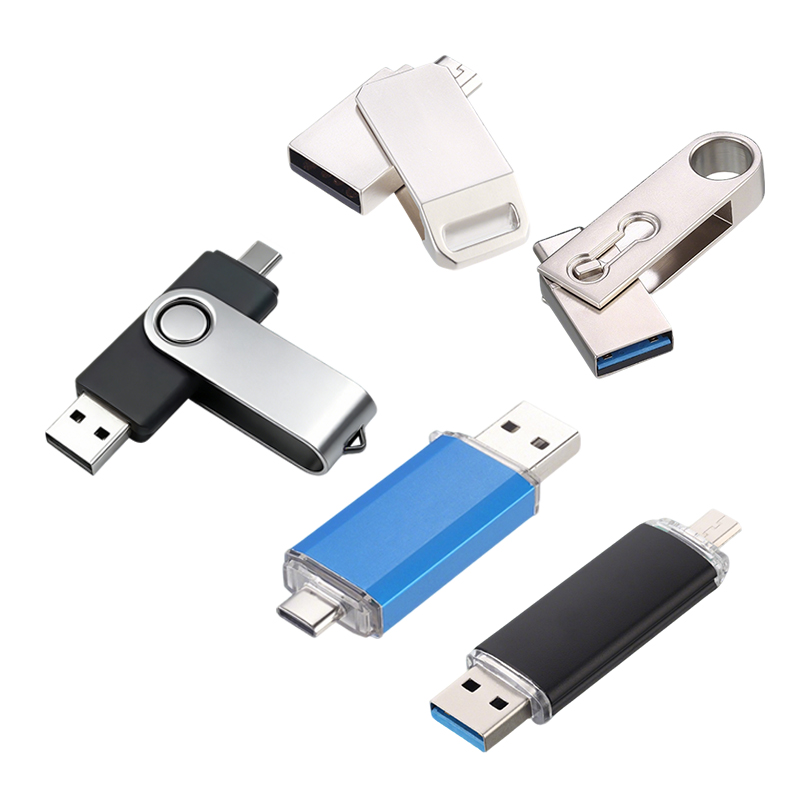
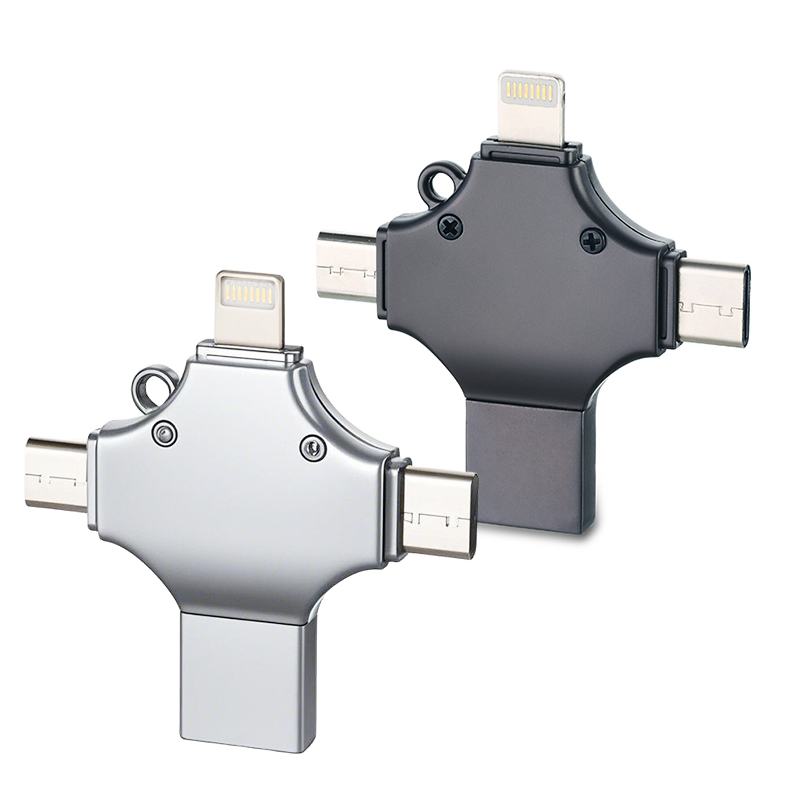
| Dual USB-A + Type-C | Multiple devices |
Note: USB Type-C is a connector type, not a speed standard.
Step 3: Understand Speed Performance
| Performance Factor | Importance |
|---|---|
| Read speed | File access and transfer |
| Write speed | Saving files |
| Sustained speed | Large file transfers |
| Random speed | Small file operations |
For video and backups, write speed and sustained performance are critical.
USB 2.0 vs USB 3.x
| Feature | USB 2.0 | USB 3.x |
|---|---|---|
| Speed | Basic | Higher |
| Documents | ✓ | ✓ |
| Photos | Good | Better |
| Videos | Limited | Recommended |
| Large backups | Not ideal | Better |
| Price | Lower | Higher |
Step 4: Match the USB Drive to Your Device
| Device | Recommended Choice |
|---|---|
| Desktop PC | USB-A / USB 3.x |
| Laptop | USB 3.x / Type-C |
| Smartphone | Type-C OTG |
| Tablet | Type-C |
| Car multimedia | Compatible USB format |
| Camera workflow | High-speed USB reader/storage |
Always check device compatibility before purchase.
Step 5: Understand USB Flash Drive Technology
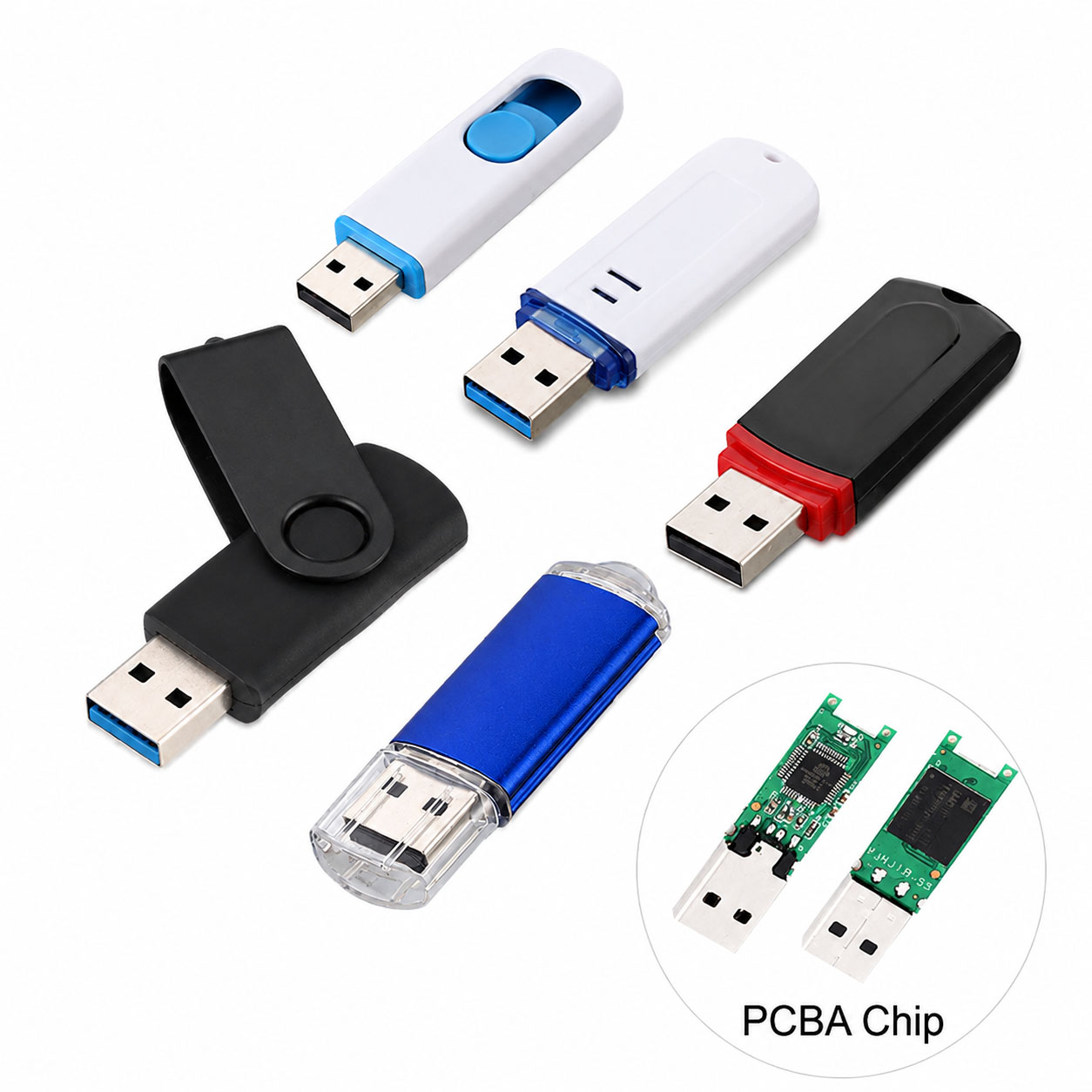
A USB flash drive consists of:
NAND Flash + Controller + Firmware + USB Interface + QC
| Component | Function |
|---|---|
| NAND Flash | Stores data |
| Controller | Manages data flow |
| Firmware | Optimizes operation |
| USB Interface | Connects devices |
| PCB | Electrical connection |
| Housing | Protection |
The internal design determines real-world performance and reliability.
Why USB Flash Drive Prices Are Different
Two drives with the same capacity can have different costs.
| Factor | Impact |
|---|---|
| NAND quality | High |
| Controller | High |
| USB standard | Medium–High |
| Speed | High |
| Housing design | Medium |
| Testing | Medium |
| Packaging | Medium |
A low-price USB drive may use different components and have different performance consistency.
NAND Flash and Controller Selection
| Technology | Benefit |
|---|---|
| High-quality NAND | Better reliability |
| Suitable controller | Stable performance |
| Optimized firmware | Better data management |
| Error correction | Data protection |
| Wear management | Longer lifespan |
For OEM projects, selecting the right component combination is more important than only reducing unit cost.
Supply Chain Advantages for USB Flash Drives
For wholesalers and brands, supply-chain capability directly affects product quality.
| Supply Capability | Benefit |
|---|---|
| Stable NAND sourcing | Cost control |
| Multiple suppliers | Lower risk |
| Controller matching | Better compatibility |
| Qualified components | Stable batches |
| Production planning | Reliable delivery |
| Performance testing | Lower returns |
| Batch traceability | Better support |
| Flexible capacity | More product options |
A reliable supplier provides consistent quality and stable supply, not only competitive pricing.
OEM USB Flash Drive Solutions
OEM allows brands to create customized USB products for retail, corporate gifts and electronics markets.
OEM Customization Options
| Item | Options |
|---|---|
| Capacity | 8GB–1TB+ |
| Interface | USB-A / Type-C / Dual |
| Speed | USB 2.0 / USB 3.x |
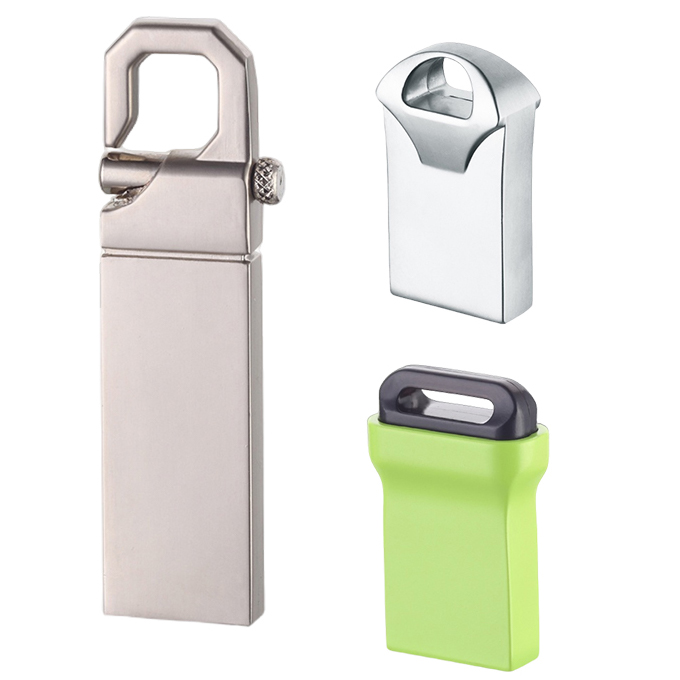
| Housing | Plastic / Metal / Custom |
| Logo | Printing / Laser engraving |
| Color | Customized |
| Packaging | Box / Blister / Bulk |
| Barcode | Customized |
| Manual | Customized |
| Warranty card | Customized |
OEM Production Process
| Step | Process |
|---|---|
| 1 | Define application |
| 2 | Select capacity |
| 3 | Select interface |
| 4 | Match NAND + controller |
| 5 | Sample production |
| 6 | Performance testing |
| 7 | Compatibility testing |
| 8 | Packaging design |
| 9 | Mass production |
| 10 | QC inspection |
USB Flash Drive Quality Control
| Test | Purpose |
|---|---|
| Capacity test | Verify real storage |
| Read/write test | Check performance |
| Sustained transfer | Test stability |
| File integrity | Protect data |
| USB compatibility | Verify devices |
| Aging test | Improve reliability |
| Appearance check | Product consistency |
| Batch tracking | After-sales |
USB Flash Drive Buying Mistakes
| Mistake | Better Choice |
|---|---|
| Choosing only capacity | Check speed + quality |
| Buying cheapest option | Compare total value |
| Ignoring write speed | Important for large files |
| Assuming Type-C is faster | Check USB standard |
| Ignoring NAND quality | Check supplier |
| No backup plan | Keep multiple copies |
FAQ: Choosing a USB Flash Drive
What size USB flash drive should I buy?
| Usage | Recommended Size |
|---|---|
| Documents | 16GB–32GB |
| Office files | 32GB–64GB |
| Photos | 64GB–128GB |
| Videos | 128GB–512GB |
| Backups | 256GB+ |
Is USB 3.x better than USB 2.0?
Yes for large files. USB 3.x generally provides higher transfer performance.
Is USB Type-C faster than USB-A?
Not necessarily. Speed depends on the USB standard, controller and flash memory.
Is a larger USB drive better?
Not always. The best choice depends on your actual storage needs and performance requirements.
How long does a USB flash drive last?
Lifespan depends on NAND quality, write frequency, controller, temperature and usage conditions.
Can USB flash drives be OEM customized?
Yes. OEM customization can include:
- Capacity
- Interface
- Housing
- Logo
- Packaging
- Barcode
- Retail design
What affects OEM USB flash drive pricing?
| Factor | Impact |
|---|---|
| Capacity | High |
| NAND cost | High |
| Quantity | High |
| Interface | Medium |
| Housing | Medium |
| Custom design | Medium |
How can wholesalers get better pricing?
Provide:
| Requirement | Example |
|---|---|
| Capacity | 128GB |
| Interface | USB-A + Type-C |
| Standard | USB 3.x |
| Quantity | 10,000 pcs |
| Housing | Metal |
| Branding | OEM logo |
| Packaging | Retail box |
A detailed specification helps optimize component selection and production cost.
Final USB Flash Drive Checklist
| Check Before Buying | ✓ |
|---|---|
| Capacity | ✓ |
| USB interface | ✓ |
| Speed requirement | ✓ |
| Read/write performance | ✓ |
| NAND quality | ✓ |
| Controller | ✓ |
| Device compatibility | ✓ |
| QC process | ✓ |
| Supplier stability | ✓ |
| OEM capability | ✓ |
Final Recommendation
The right USB flash drive is not the largest or cheapest one. It should match:
Capacity + Speed + Interface + Reliability + Application
For everyday users:
64GB–128GB USB 3.x is the practical choice.
For professional users:
256GB+ high-performance USB 3.x is better.
For brands and distributors:
Qualified NAND sourcing + controller optimization + strict QC + stable supply chain + OEM customization creates a stronger and more reliable USB storage solution.