A Complete Guide from Storage Manufacturing, Supply Chain & OEM Solutions Perspective
In the era of smart cameras, action cameras, security systems, drones, and professional imaging devices, TF cards (microSD cards) have become a critical component for reliable data storage. Choosing the right TF card for a camera is no longer simply about selecting “more GB.” Capacity, speed class, NAND quality, controller technology, supply stability, and customization capability all directly affect camera performance.
For camera brands, distributors, and OEM customers, the right storage partner can determine product reliability, customer satisfaction, and long-term market competitiveness.
This guide explains how to select the right TF card capacity and speed, while sharing insights from the storage industry, including supply chain advantages, OEM manufacturing capabilities, and customized memory solutions.
1. Why Choosing the Right TF Card Matters for Cameras
Modern cameras generate massive amounts of data:
- 4K/8K video recording
- Continuous surveillance footage
- High-frame-rate sports recording
- Drone aerial photography
- AI-powered smart monitoring
- Industrial camera applications
A poor-quality TF card may cause:
- Recording interruptions
- Video corruption
- Slow file transfer
- Camera freezing
- Short product lifespan
For manufacturers and professional users, storage is not just an accessory — it is a key part of the entire imaging system.
2. How to Select TF Card Capacity for Different Camera Applications
Capacity determines how much video, photos, and data a camera can store.
The correct capacity depends on:
- Video resolution
- Recording duration
- Compression format
- Frame rate
- Usage environment
Recommended TF Card Capacity Guide
| Camera Application | Recommended Capacity |
|---|---|
| Home security camera | 64GB – 128GB |
| Dash camera | 64GB – 256GB |
| Action camera | 128GB – 512GB |
| Drone camera | 128GB – 512GB |
| Professional camera | 256GB – 1TB |
| Industrial monitoring system | Customized capacity |
64GB–128GB: Entry-Level Camera Storage
Suitable for:
- Basic surveillance cameras
- Short daily recording
- 1080P video applications
Advantages:
- Lower cost
- Fast deployment
- Suitable for mass-market products
256GB: The Best Balance Between Capacity and Cost
256GB has become one of the most popular choices in the camera industry.
Benefits:
- Longer recording time
- Better user experience
- Competitive pricing
- Suitable for 4K recording
For many camera brands, 256GB TF cards provide the best balance between performance, reliability, and cost efficiency.
512GB–1TB: Professional & High-End Applications
Large-capacity TF cards are ideal for:
- Professional video production
- Drone applications
- Long-term surveillance
- Industrial imaging systems
However, high-capacity cards require:
- Advanced NAND technology
- Stable controllers
- Strict quality testing
Not every supplier can provide reliable large-capacity solutions.
3. Understanding TF Card Speed: What Does Your Camera Really Need?
Capacity determines storage space.
Speed determines whether your camera can record smoothly.
Important speed indicators include:
Speed Class
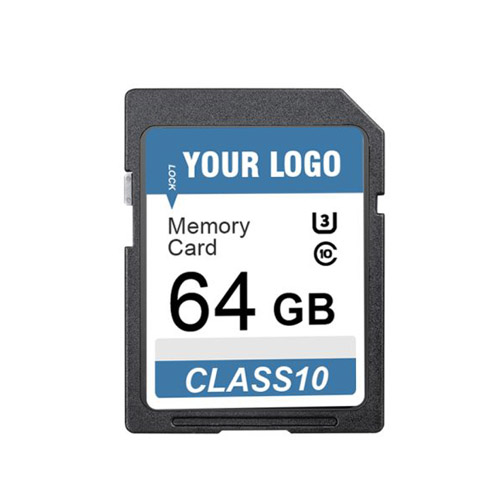
Class 10
Minimum write speed:
10MB/s
Suitable for:
- 1080P recording
- Basic cameras
UHS Speed Class
U1
Minimum write speed:
10MB/s
U3
Minimum write speed:
30MB/s
Recommended for:
- 4K video
- High-frame-rate recording
- Professional cameras
Video Speed Class
V30
Minimum sustained write speed:
30MB/s
Recommended for:
- 4K cameras
- Action cameras
- Drones
V60 / V90
Designed for:
- 8K video
- Cinema-grade recording
4. Why NAND Flash Quality Determines TF Card Reliability
From a storage industry perspective, not all TF cards are created equal.
A TF card consists of:
- NAND Flash Memory
- Controller IC
- Firmware
- Packaging technology
- Testing process
The NAND selection directly affects:
- Endurance
- Data retention
- Write stability
- Temperature resistance
Common NAND Types
TLC NAND
Advantages:
- High capacity
- Good cost-performance ratio
Applications:
- Consumer cameras
- Action cameras
- Dash cams
MLC NAND
Advantages:
- Higher endurance
- Better reliability
Applications:
- Industrial cameras
- Professional recording equipment
Industrial-Grade NAND Solutions
Designed for:
- 24/7 surveillance
- Smart city projects
- Factory automation
- Embedded systems
Features:
- Wide temperature operation
- Longer lifespan
- Stable continuous writing
5. Supply Chain Advantage: Why Storage Source Matters
The global memory market changes frequently due to:
- NAND price fluctuations
- Supply shortages
- Production allocation
- Technology upgrades
A professional TF card supplier provides more than products.
A strong supply chain offers:
Stable NAND Supply
Direct cooperation with upstream manufacturers helps ensure:
- Consistent quality
- Reliable inventory
- Competitive pricing
Flexible Capacity Management
Professional suppliers can support:
- 32GB
- 64GB
- 128GB
- 256GB
- 512GB
- 1TB
with stable production schedules.
Multi-Level Quality Control
Reliable storage manufacturers perform:
- NAND inspection
- Controller matching
- Performance testing
- Aging tests
- Temperature testing
- Compatibility verification
This reduces:
- Failure rates
- Warranty costs
- Customer complaints
6. OEM TF Card Solutions for Camera Brands
For camera manufacturers, standard retail TF cards are often not enough.
OEM customization provides additional value.
A professional OEM storage partner can provide:
Custom Logo & Packaging
Support:
- Brand printing
- Customized labels
- Retail packaging
- User manuals
Helping camera brands build stronger product identity.
Customized Firmware
Different cameras have different requirements.
OEM firmware optimization can improve:
- Compatibility
- Recording stability
- Power efficiency
- Error management
Customized Performance Solutions
Examples:
Security Camera OEM
Requirements:
- Long-term continuous writing
- High endurance
- Stable operation
Recommended:
Industrial-grade TF card
Action Camera OEM
Requirements:
- High-speed recording
- 4K/8K support
Recommended:
U3 / V30 / V60 TF card
Drone Camera OEM
Requirements:
- High speed
- Lightweight storage
- Shock resistance
Recommended:
High-performance microSD solution
7. How Camera Manufacturers Should Evaluate TF Card Suppliers
Before selecting a storage partner, consider:
1. Manufacturing Capability
Questions to ask:
- Do they control production?
- Can they provide stable monthly capacity?
- Do they support customized orders?
2. Quality Certification
Important certifications include:
- CE
- FCC
- RoHS
- REACH
- ISO quality systems
3. Testing Capability
Professional suppliers should have:
- Read/write testing equipment
- Reliability testing systems
- Compatibility testing platforms
4. Supply Chain Flexibility
A strong partner should support:
- Small batch testing
- Mass production
- Global shipment
- Long-term supply agreements