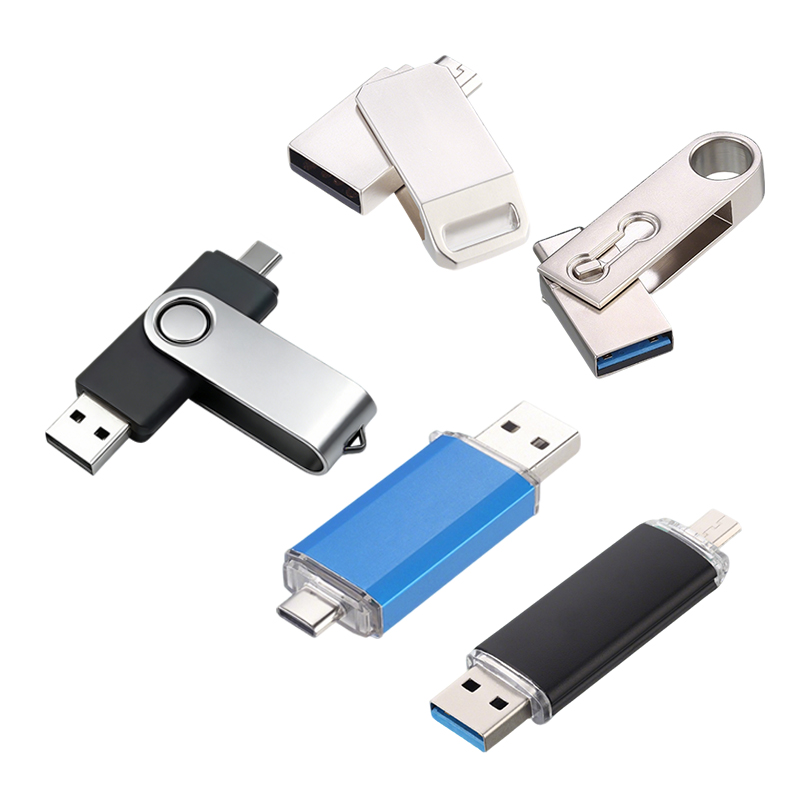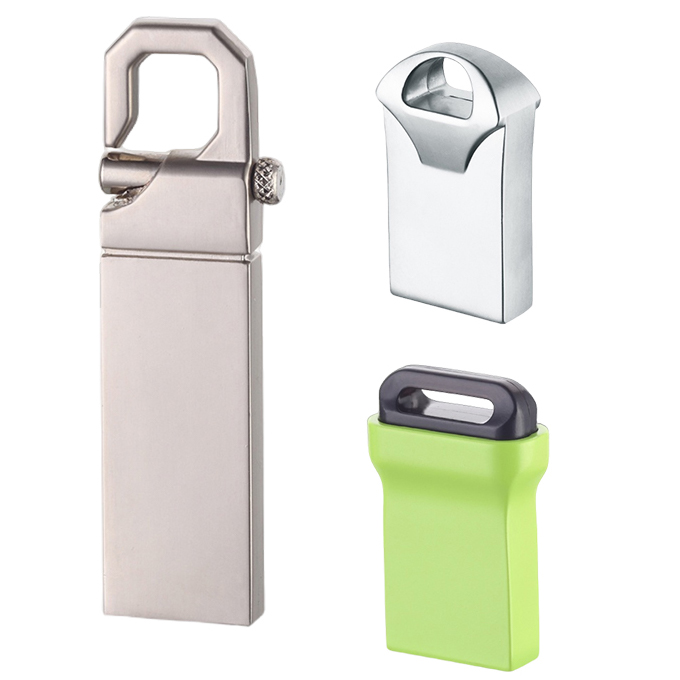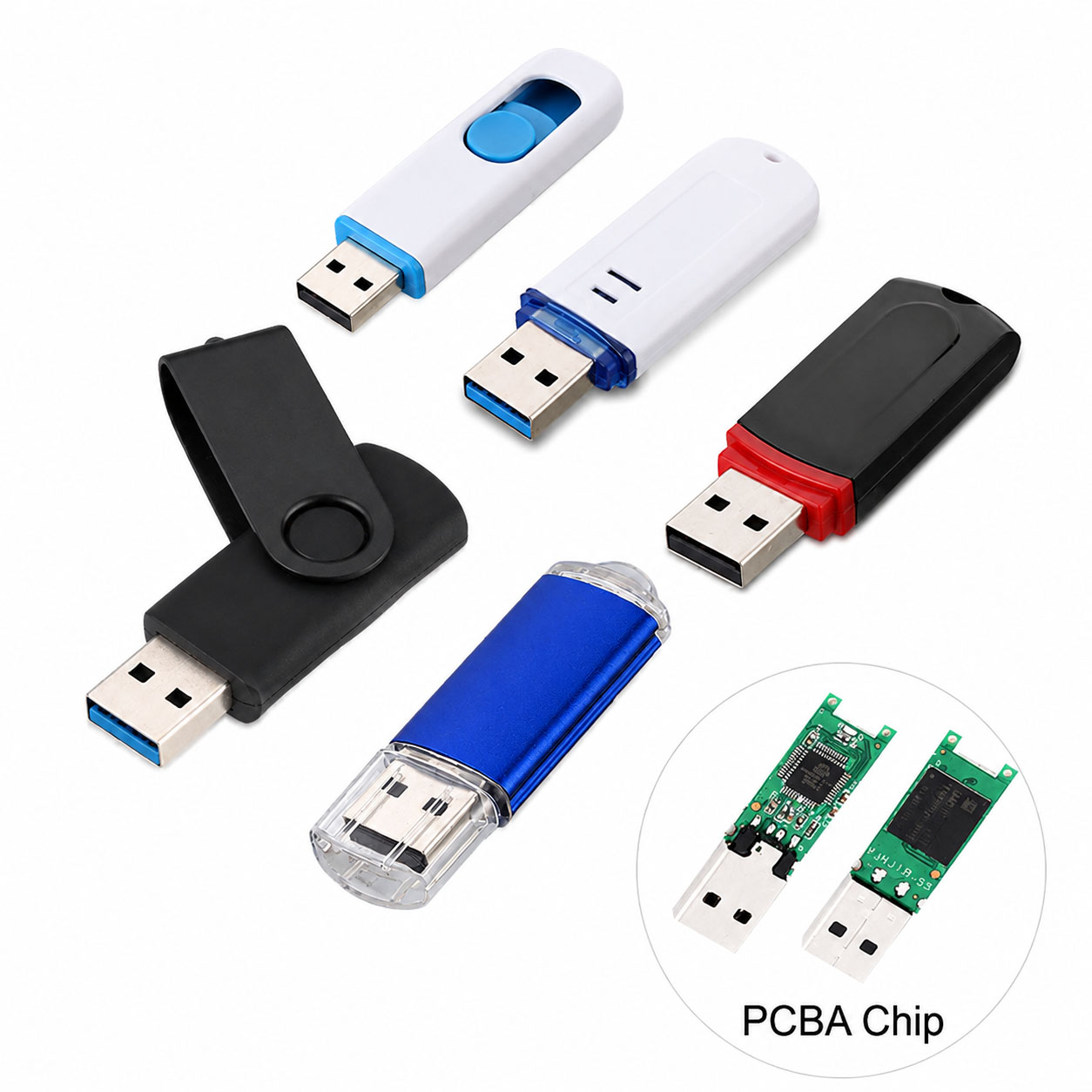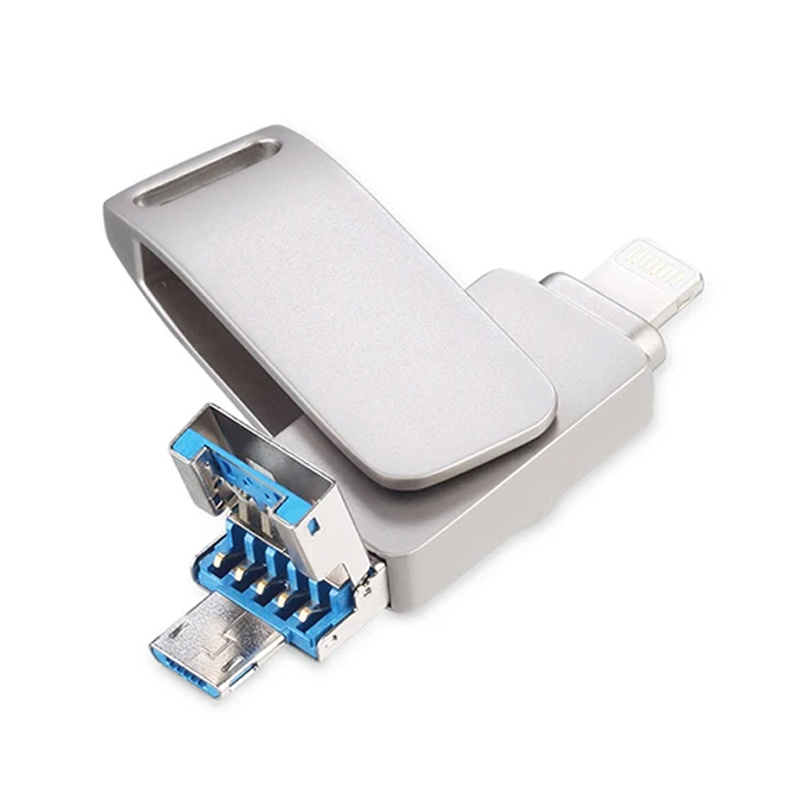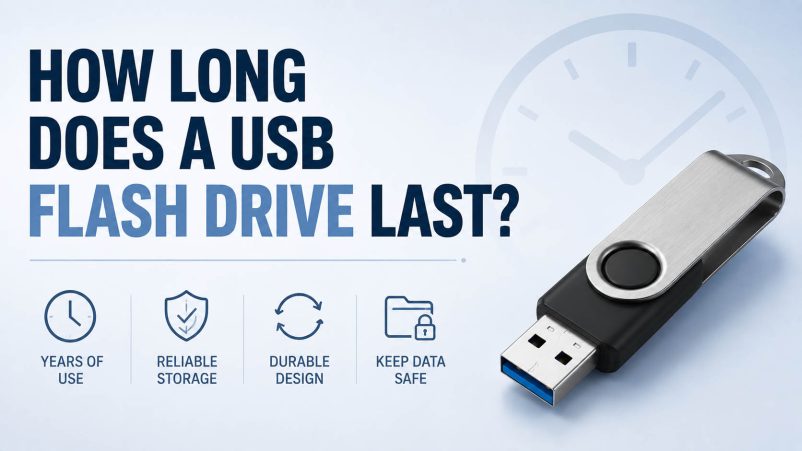
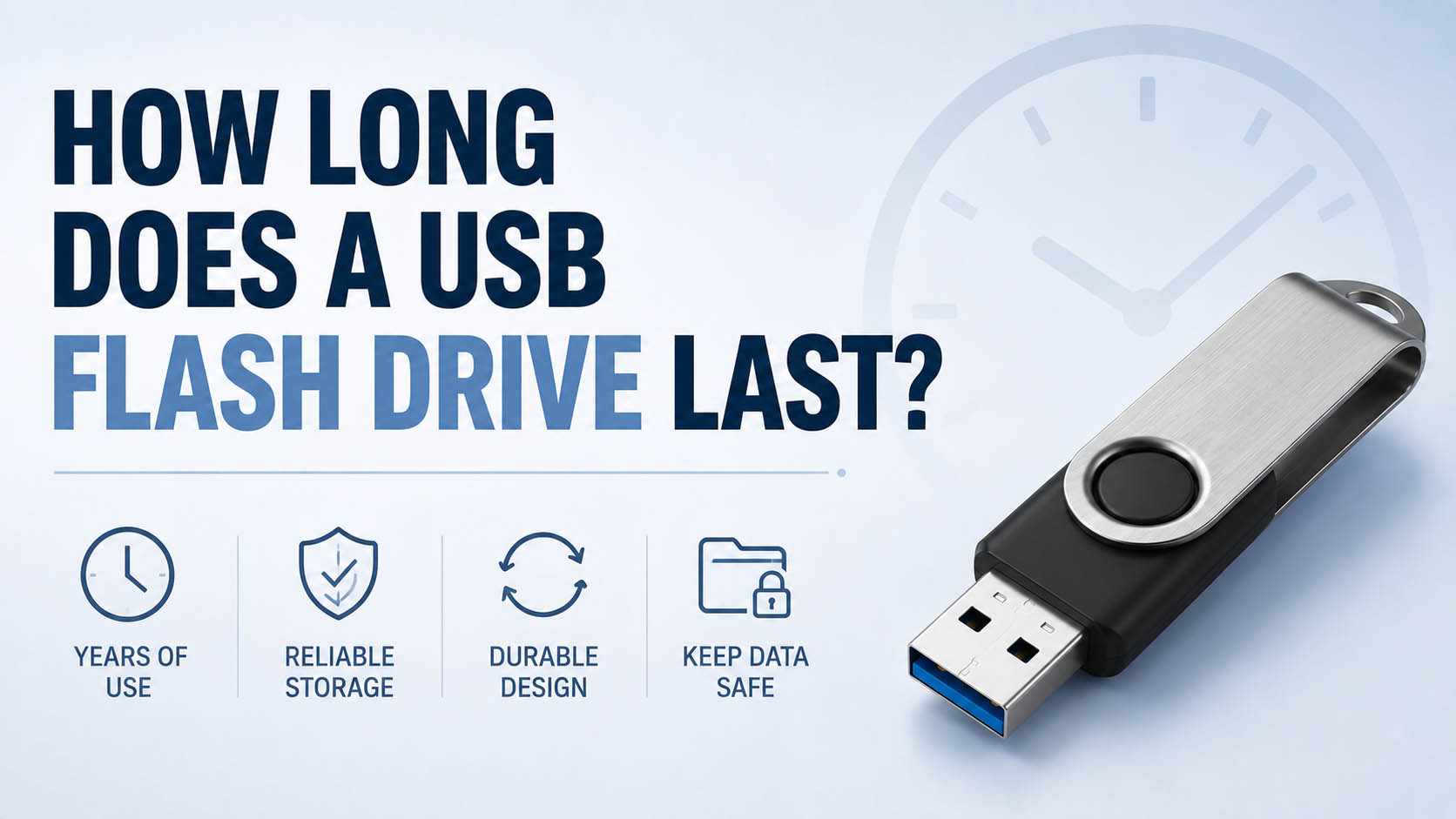
A USB flash drive does not have one fixed lifespan. Its service life depends on NAND flash type, write frequency, controller, data-retention conditions, temperature and product quality.
For normal consumer use, a quality USB flash drive can remain usable for many years, but frequently rewriting large amounts of data can accelerate flash wear.
For B2B buyers, long-term reliability also depends on NAND sourcing, controller matching, manufacturing consistency, QC and supply-chain stability.
Quick Answer: How Long Does a USB Flash Drive Last?
| Usage | Typical Lifespan Consideration |
|---|---|
| Occasional file transfer | Several years or longer |
| Regular office use | Several years |
| Frequent large-file transfers | Shorter due to write cycles |
| Continuous data logging | Requires application-specific storage |
| Backup storage | Depends on retention conditions |
| Heavy daily rewriting | Higher wear |
There is no universal expiration date. Write workload and storage conditions matter more than simply counting calendar years.
What Determines USB Flash Drive Lifespan?
| Factor | Impact |
|---|---|
| NAND flash quality | ★★★★★ |
| Write frequency | ★★★★★ |
| Controller | ★★★★☆ |
| Firmware | ★★★★☆ |
| Temperature | ★★★★☆ |
| Data retention conditions | ★★★★☆ |
| Physical handling | ★★★☆☆ |
| QC | ★★★★★ |
The biggest distinction is between write endurance and data retention.
Write Endurance vs Data Retention
| Concept | Meaning |
|---|---|
| Write endurance | How much data can be written/rewritten |
| Data retention | How long stored data can remain readable |
| Read cycles | Usually much less damaging than repeated writes |
| Wear leveling | Helps distribute writes |
| Error correction | Helps maintain data integrity |
A flash drive can therefore be physically functional while heavily rewritten flash cells are approaching their endurance limits.
How NAND Flash Affects Lifespan
NAND flash stores data in memory cells. Different NAND architectures provide different combinations of cost, density, performance and endurance.
| NAND Consideration | Effect |
|---|---|
| Flash quality | Reliability |
| Cell architecture | Endurance + density |
| Flash density | Capacity + cost |
| NAND consistency | Batch stability |
| Qualified sourcing | Long-term supply |
For OEM products, the goal is to select NAND based on the actual application workload, rather than simply choosing the lowest-cost component.
How Write Frequency Affects Lifespan
| Usage Pattern | Wear Level |
|---|---|
| Read files occasionally | Low |
| Copy files weekly | Low |
| Daily office transfers | Medium |
| Daily large video transfers | High |
| Continuous recording | Very High |
A USB flash drive used mainly to read files may experience far less flash wear than one constantly used for rewriting large datasets.
Does Reading Wear Out a USB Flash Drive?
Reading generally creates much less NAND wear than writing.
| Activity | Relative Flash Wear |
|---|---|
| Reading files | Low |
| Copying files to USB | Higher |
| Repeatedly deleting/replacing files | Higher |
| Continuous rewriting | Very high |
Therefore, a USB flash drive used as a simple file library can have a very different lifespan from one used as a working disk.
Temperature and Data Retention
Storage conditions can affect long-term data retention.
| Environment | Risk |
|---|---|
| Normal indoor temperature | Lower |
| High-temperature storage | Higher |
| Direct sunlight | Higher |
| Vehicle interior | Higher |
| Humid environment | Physical risk |
For long-term storage, keep important USB drives in a cool, dry and stable environment.
How to Extend USB Flash Drive Lifespan
| Best Practice | Benefit |
|---|---|
| Avoid constant rewriting | Reduces flash wear |
| Safely eject the drive | Reduces data corruption risk |
| Keep backups | Protects important files |
| Avoid extreme heat | Supports retention |
| Use reputable products | Better component quality |
| Replace heavily used drives | Reduces failure risk |
| Periodically verify backups | Detects problems early |
A USB flash drive should not be the only copy of critical data.
USB Flash Drive vs SSD Lifespan
| Feature | USB Flash Drive | SSD |
|---|---|---|
| NAND flash | ✓ | ✓ |
| Controller | ✓ | ✓ |
| Typical workload | Portable transfer | System/storage workload |
| Sustained performance | Usually lower | Usually higher |
| Endurance options | Limited | More extensive |
| Heavy daily workload | Not ideal | Better suited |
For operating systems, databases or heavy daily workloads, an SSD is generally a better choice than a basic USB flash drive.
NAND + Controller + Firmware
A USB flash drive can be simplified as:
NAND + Controller + Firmware + USB Interface + QC
| Component | Impact on Lifespan |
|---|---|
| NAND | Endurance + retention |
| Controller | Flash management |
| Firmware | Wear leveling + error handling |
| USB interface | Data transfer |
| QC | Product consistency |
A properly matched controller can improve how the flash is managed and help maintain consistent performance.
Supply Chain Advantages for USB Flash Drive Reliability
For distributors and brands, component supply affects not only price but also long-term product consistency.
| Supply Capability | Benefit |
|---|---|
| Stable NAND sourcing | Consistent product quality |
| Qualified suppliers | Lower component risk |
| Controller matching | Better flash management |
| Stable BOM | Consistent repeat batches |
| Production testing | Lower failure rates |
| Batch traceability | Easier warranty support |
| Capacity planning | Reliable delivery |
For long-term OEM programs, maintaining a qualified BOM is especially important.
OEM Long-Life USB Flash Drive Solutions
Brands can develop private-label USB flash drives optimized for different workloads.
OEM Customization Options
| Item | Options |
|---|---|
| Capacity | 8GB–1TB+ |
| USB Interface | USB-A / Type-C / Dual |
| USB Standard | USB 2.0 / USB 3.x |
| NAND | Application-specific |
| Controller | Matched solution |
| Housing | Plastic / Metal / Custom |
| Logo | Printing / Laser engraving |
| Packaging | Box / Blister / Bulk |
| Barcode | Customized |
| Warranty | Customized |
OEM Development Process
| Step | Process |
|---|---|
| 1 | Define workload |
| 2 | Select capacity |
| 3 | Define endurance target |
| 4 | Select NAND |
| 5 | Match controller |
| 6 | Sample testing |
| 7 | Endurance testing |
| 8 | Device compatibility |
| 9 | Packaging design |
| 10 | Mass production + QC |
Quality Control for Longer-Lived USB Drives
| QC Test | Purpose |
|---|---|
| Capacity verification | Confirm actual capacity |
| Read/write test | Verify performance |
| Sustained write test | Check stability |
| Endurance test | Evaluate repeated writes |
| Data integrity test | Verify files |
| Aging test | Identify unstable units |
| Temperature test | Evaluate environmental stability |
| USB compatibility | Check host devices |
| Batch traceability | Support after-sales |
Signs a USB Flash Drive May Be Failing
| Symptom | Possible Issue |
|---|---|
| Files become corrupted | Storage or controller problem |
| Write speed suddenly drops | Flash wear or thermal issue |
| Drive disconnects | USB/controller/physical issue |
| Capacity becomes abnormal | NAND/controller failure |
| Files cannot be deleted | Flash or file-system problem |
| Frequent formatting required | Possible degradation |
If important files are involved, back up the data immediately rather than continuing to test a potentially failing drive.
Common Mistakes That Reduce USB Flash Drive Lifespan
| Mistake | Better Approach |
|---|---|
| Constantly rewriting large files | Use an SSD for heavy workloads |
| Storing in extreme heat | Use controlled conditions |
| Buying only by price | Check NAND + QC |
| No backup | Keep multiple copies |
| Frequent unsafe removal | Safely eject |
| Using unsuitable drives for continuous logging | Choose application-specific storage |
FAQ: USB Flash Drive Lifespan
How many years does a USB flash drive last?
There is no universal number. A quality drive used occasionally can remain usable for many years, while heavy rewriting can shorten its useful life.
Does a USB flash drive wear out?
Yes. NAND flash has finite write endurance. Controllers use techniques such as wear leveling and error correction to manage flash wear.
Does reading damage a USB flash drive?
Reading generally causes much less wear than writing.
How often should I replace a USB flash drive?
There is no fixed replacement schedule. Replace heavily used drives when they show reliability problems or when they no longer meet the application’s performance requirements.
Can a USB flash drive last 10 years?
It can remain physically usable for many years under favorable conditions, but long-term data retention should not be assumed indefinitely. Important data should always have independent backups.
Is an expensive USB flash drive more reliable?
Price alone does not guarantee reliability. Look for qualified NAND, a suitable controller, stable firmware, testing and a reliable supplier.
Is USB flash storage suitable for 24/7 recording?
Basic USB flash drives are generally not the ideal choice for continuous high-write workloads. Consider storage specifically designed for high-endurance applications.
Can OEM USB flash drives be made for higher endurance?
Yes. OEM products can be designed around application-specific NAND, controller, firmware and endurance requirements.
What affects OEM USB flash drive lifespan?
| Factor | Impact |
|---|---|
| NAND selection | Very High |
| Controller | High |
| Write workload | Very High |
| Temperature | High |
| QC | High |
| Firmware | High |
| Storage conditions | Medium–High |
How can wholesalers improve USB flash drive reliability?
Use a supplier with:
Qualified NAND + matched controller + stable BOM + endurance testing + batch QC + traceability.
Final USB Flash Drive Lifespan Checklist
| Check | ✓ |
|---|---|
| NAND quality | ✓ |
| Controller | ✓ |
| Write workload | ✓ |
| Endurance | ✓ |
| Temperature | ✓ |
| Data retention | ✓ |
| QC | ✓ |
| Supplier stability | ✓ |
| Warranty | ✓ |
| Backup strategy | ✓ |
Final Recommendation
A USB flash drive’s lifespan depends primarily on how it is used and how it is built.
For occasional file storage:
Quality NAND + reputable controller + normal operating conditions = potentially many years of use.
For heavy workloads:
Choose higher-endurance storage rather than relying on a standard USB flash drive.
For OEM and B2B buyers, the best approach is:
Qualified NAND sourcing + controller matching + endurance testing + strict QC + stable supply chain + OEM customization.
And for critical business, customer or personal data, never rely on one USB flash drive as the only backup.