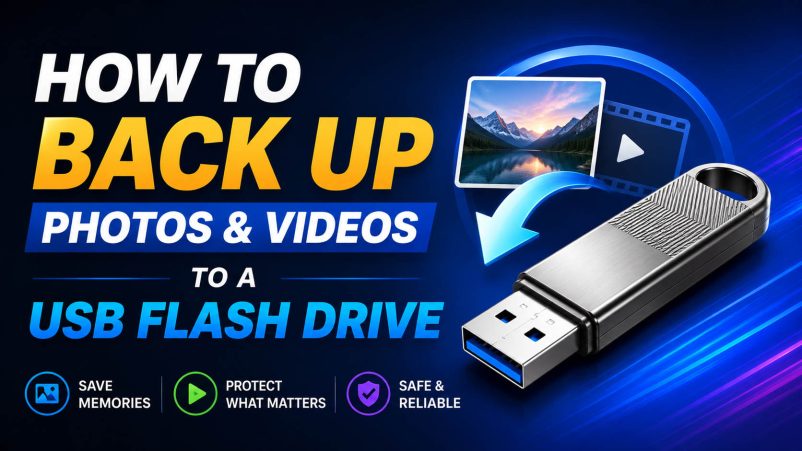

Backing up photos and videos to a USB flash drive is a simple way to create an offline copy of important files. For reliable long-term storage, choose the right capacity, USB interface, NAND flash quality, controller, and verified performance.
Quick answer: Connect the USB flash drive, create an organized folder structure, copy your photos and videos, verify the files, then safely eject the drive. For important memories, keep at least one additional backup.
How to Back Up Photos and Videos
| Step | What to Do |
|---|---|
| 1 | Connect the USB flash drive |
| 2 | Check available capacity |
| 3 | Create folders by year/event |
| 4 | Select photos and videos |
| 5 | Copy files to the USB drive |
| 6 | Wait for transfer to finish |
| 7 | Open several files to verify them |
| 8 | Safely eject the USB drive |
Do not remove the USB flash drive while files are still being written.
Recommended Folder Structure
A simple structure makes future file management easier.
| Folder | Example |
|---|---|
| Photos | 2026 / Travel / Family |
| Videos | 2026 / Events / 4K |
| Documents | Personal / Work |
| Backup | Phone / Camera / PC |
For large collections, organizing files by year + event + device is practical.
How Much USB Storage Do You Need?
| Content | Recommended Capacity |
|---|---|
| Basic Photo Backup | 64GB |
| Photos + Short Videos | 128GB |
| Large Photo Library | 256GB |
| 4K Videos | 256GB–512GB |
| Professional Video | 512GB–1TB+ |
Actual requirements depend on file size and shooting resolution.
USB Flash Drive Capacity Guide
| Capacity | Approximate Use |
|---|---|
| 64GB | Everyday photos and documents |
| 128GB | Large photo collections |
| 256GB | Photos + substantial video |
| 512GB | Large video libraries |
| 1TB | Extensive photo/video archives |
Always leave some free space instead of filling the drive completely.
Which USB Interface Is Best for Photo and Video Backup?
| Interface | Best For |
|---|---|
| USB 2.0 | Basic documents and small backups |
| USB 3.0 / Gen 1 | Everyday photo/video backup |
| USB 3.1 / Gen 2 | Large files and frequent transfers |
| USB 3.2 Gen 2×2 | High-performance storage |
For large video files, USB 3.x is generally preferable because it can provide substantially higher transfer bandwidth than USB 2.0.
Read Speed vs Write Speed
When backing up photos and videos to the USB drive, write performance is particularly important.
| Specification | Importance |
|---|---|
| Sequential Write | ★★★★★ |
| Sequential Read | ★★★★☆ |
| Random Write | ★★★☆☆ |
| Random Read | ★★★☆☆ |
| Sustained Performance | ★★★★★ |
A drive may advertise a high peak speed but slow down during long transfers. For video backup, sustained write performance is worth checking.
What Makes a Reliable USB Flash Drive?
From a storage-industry perspective, reliability depends on more than the USB interface.
| Component | What Matters |
|---|---|
| NAND Flash | Quality and consistency |
| Controller | Stable data management |
| Firmware | Performance and compatibility |
| PCB | Signal and power stability |
| Connector | Mechanical reliability |
| QC Testing | Capacity and performance verification |
| Thermal Design | Sustained performance |
For 256GB, 512GB and 1TB USB flash drives, proper NAND and controller matching is particularly important.
How to Protect Photos and Videos on a USB Flash Drive
| Practice | Recommendation |
|---|---|
| Multiple Backups | Keep another copy |
| Safe Ejection | Always eject properly |
| Physical Protection | Avoid impact and moisture |
| Heat | Store away from excessive heat |
| Organization | Use clear folder names |
| Verification | Check important files after copying |
| Regular Check | Periodically verify important backups |
A USB flash drive should not be the only copy of irreplaceable photos or videos.
Supply Chain Advantages for USB Flash Drive Buyers
For distributors, retailers and project buyers, stable component sourcing helps maintain consistent quality between batches.
| Supply Chain Capability | Buyer Benefit |
|---|---|
| Stable NAND Resources | Consistent capacity and quality |
| Controller Matching | Better performance |
| Factory QC | Reduced failure risk |
| Performance Testing | Verified specifications |
| Multiple Capacities | Flexible product selection |
| Stable Production | More predictable delivery |
| Bulk Supply | Better purchasing efficiency |
A professional storage supplier can optimize the NAND + controller + USB interface according to application, capacity and target cost.
OEM & ODM USB Flash Drive Solutions
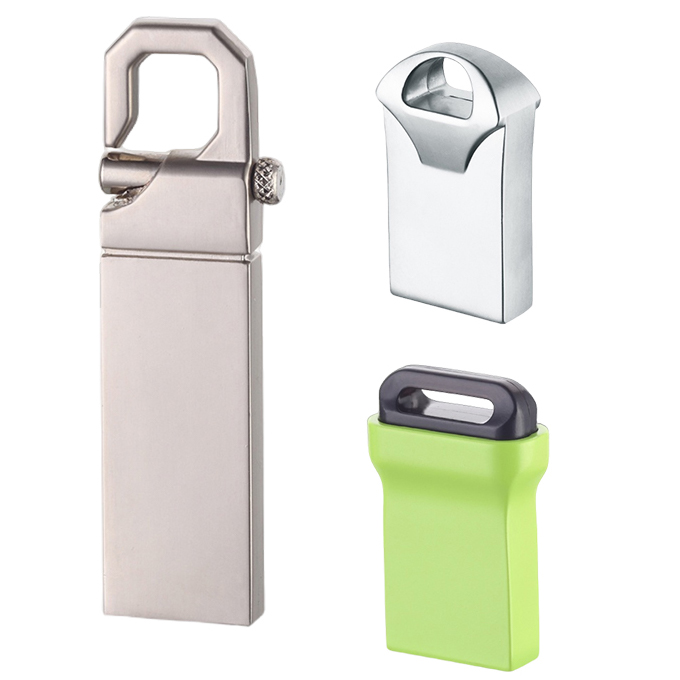
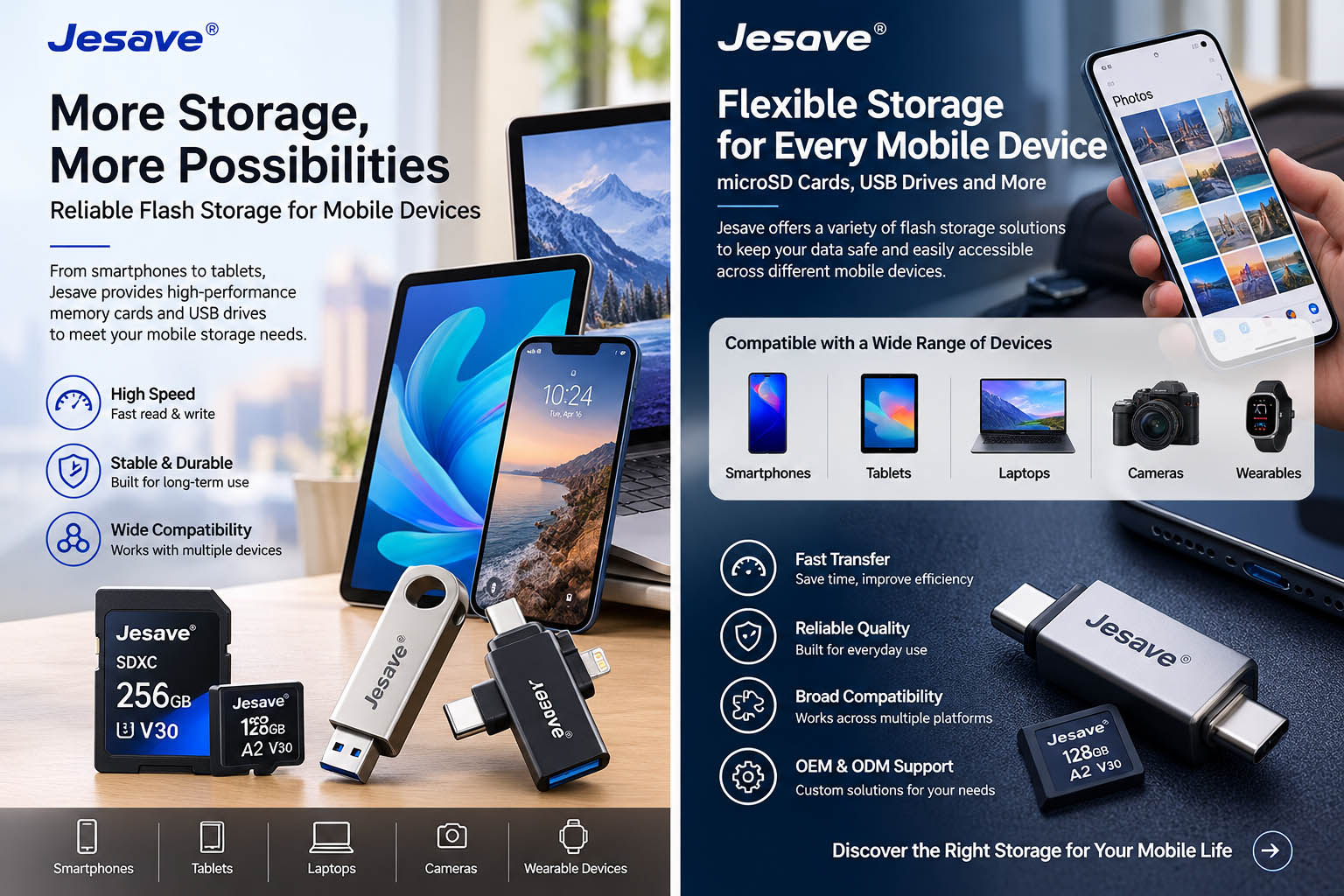
USB flash drives for photo and video backup can be customized for retail brands, corporate gifts, camera accessories and storage projects.
| OEM / ODM Option | Available Choices |
|---|---|
| Capacity | 32GB–1TB+ |
| Interface | USB 2.0 / 3.0 / 3.1 / 3.2 |
| Housing | Plastic / Metal / Custom |
| Logo | Printing / Laser Engraving |
| Color | Custom |
| Shape | Standard / Custom |
| Packaging | Retail / Gift / Custom |
| Performance | Customized requirements |
For branded projects, buyers can specify capacity, minimum read/write speed, appearance, packaging and QC standards before mass production.
How to Choose a USB Flash Drive for Photo Backup
| Priority | Recommended Choice |
|---|---|
| Low Cost | 64GB USB 3.0 |
| Family Photos | 128GB–256GB |
| Photos + Videos | 256GB |
| 4K Video | 256GB–512GB |
| Professional Video | 512GB–1TB+ |
| Frequent Large Transfers | USB 3.1 / 3.2 |
FAQ About Backing Up Photos and Videos to USB
Q1: Can I back up iPhone or Android photos to a USB flash drive?
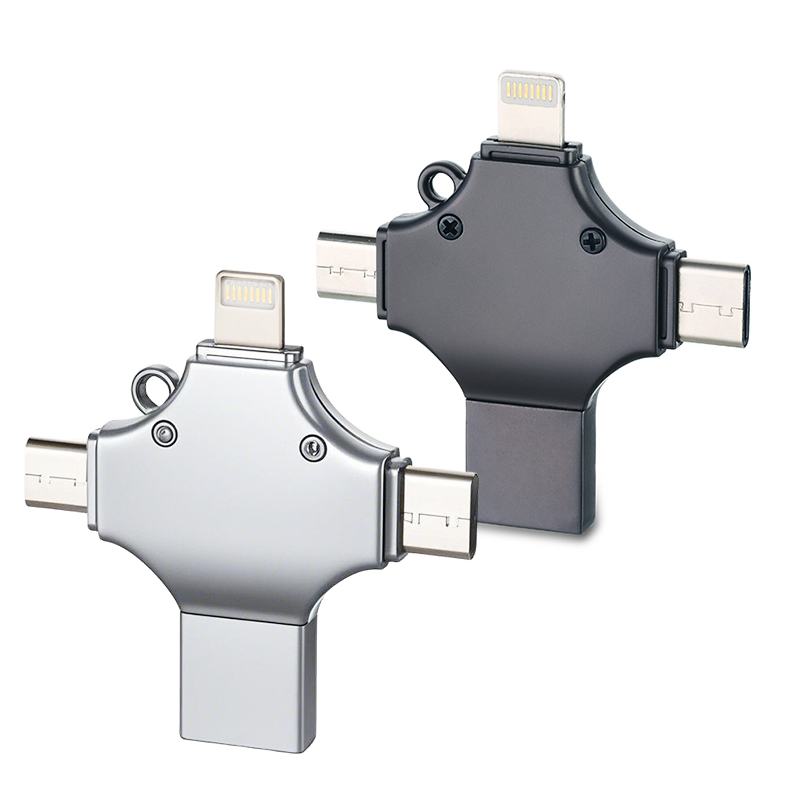
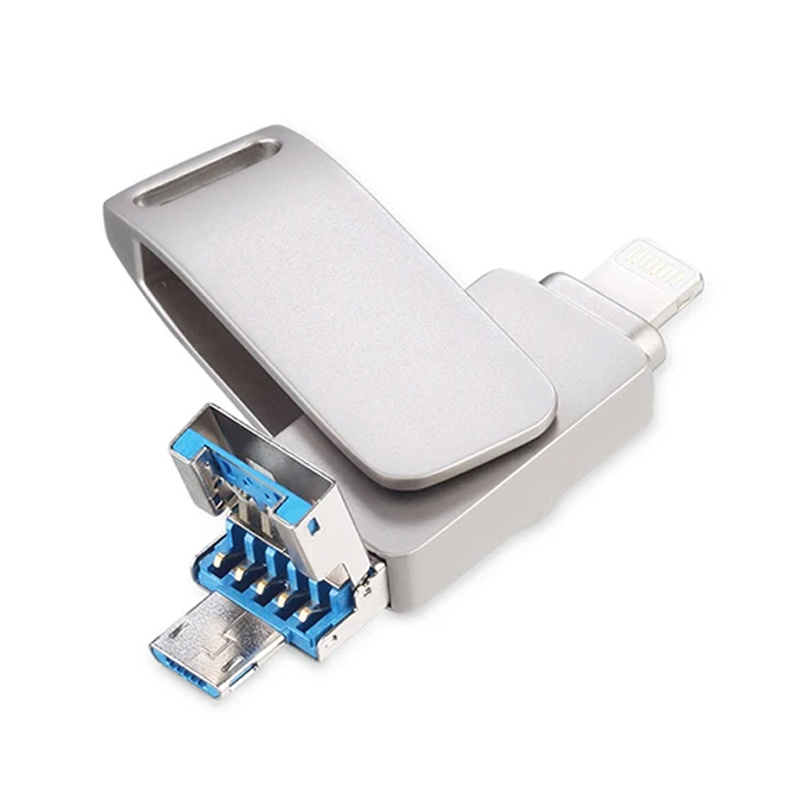
Yes. Depending on the phone and connector, you may need a compatible USB-C/Lightning adapter or dual-interface flash drive.
Q2: Is a USB flash drive good for photo backup?
Yes. It is convenient for offline and portable copies, but important photos should also have another backup.
Q3: What size USB flash drive do I need for photos?
For most users, 128GB or 256GB is a practical starting point. Large video collections may require 512GB or 1TB+.
Q4: Is USB 3.0 fast enough for video backup?
Yes. USB 3.0 is generally sufficient for everyday photo and video backup. For very large files and frequent transfers, faster interfaces can reduce transfer time.
Q5: Why does my USB flash drive slow down during backup?
Possible causes include SLC cache exhaustion, NAND write limitations, thermal throttling, small-file transfers, or host-device limitations.
Q6: How long can photos stay on a USB flash drive?
Data retention depends on NAND type, usage, storage conditions and other factors. For important archives, periodically verify the files and maintain multiple copies rather than relying on a single USB drive indefinitely.
Q7: Can USB flash drives be customized for branded photo-storage products?
Yes. OEM/ODM suppliers can customize capacity, housing, logo, color, USB interface, packaging and performance requirements.
Conclusion
Backing up photos and videos to a USB flash drive is simple: connect → organize → copy → verify → safely eject.
For everyday photo backup, 128GB–256GB USB 3.x is a practical choice. For large 4K video libraries, consider 512GB–1TB+ with stronger sustained write performance.
For B2B buyers, focus on real capacity, tested read/write speed, NAND and controller quality, stable supply chain, QC capability and OEM/ODM flexibility—not just the advertised USB version.