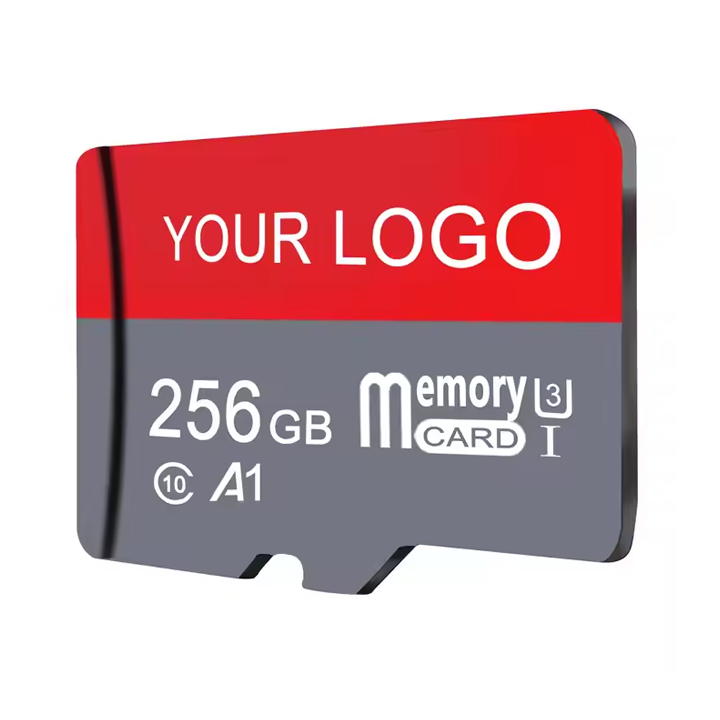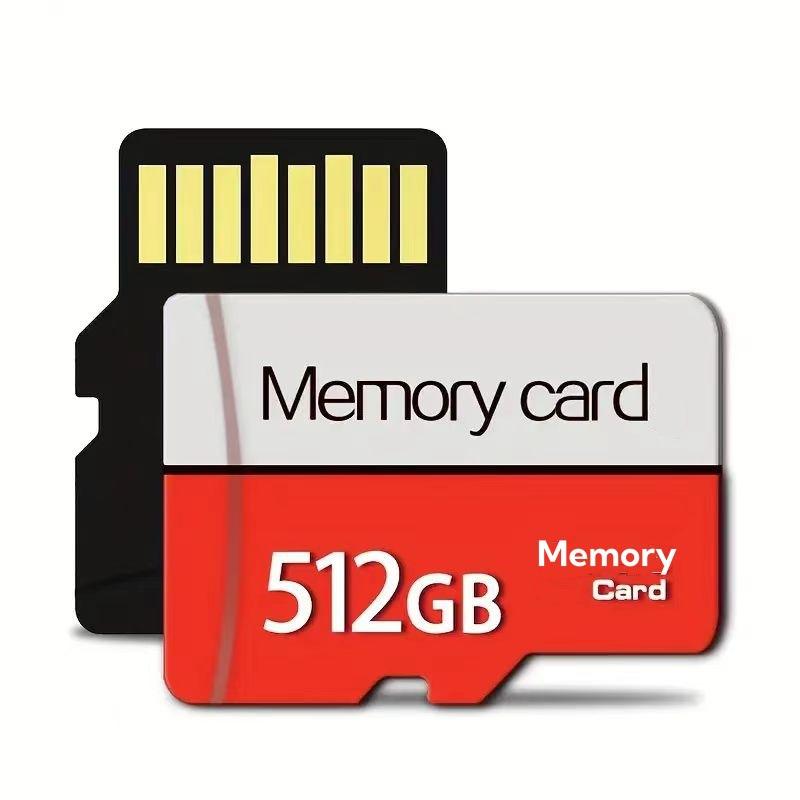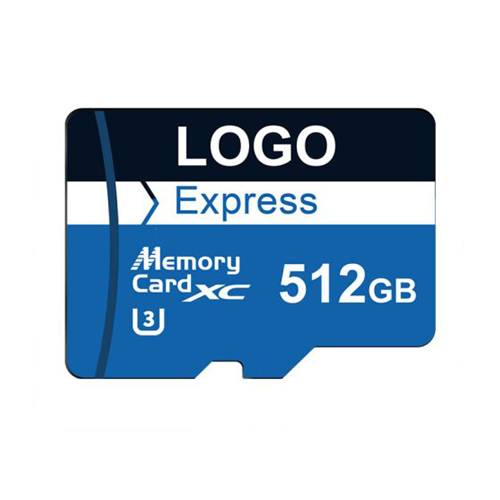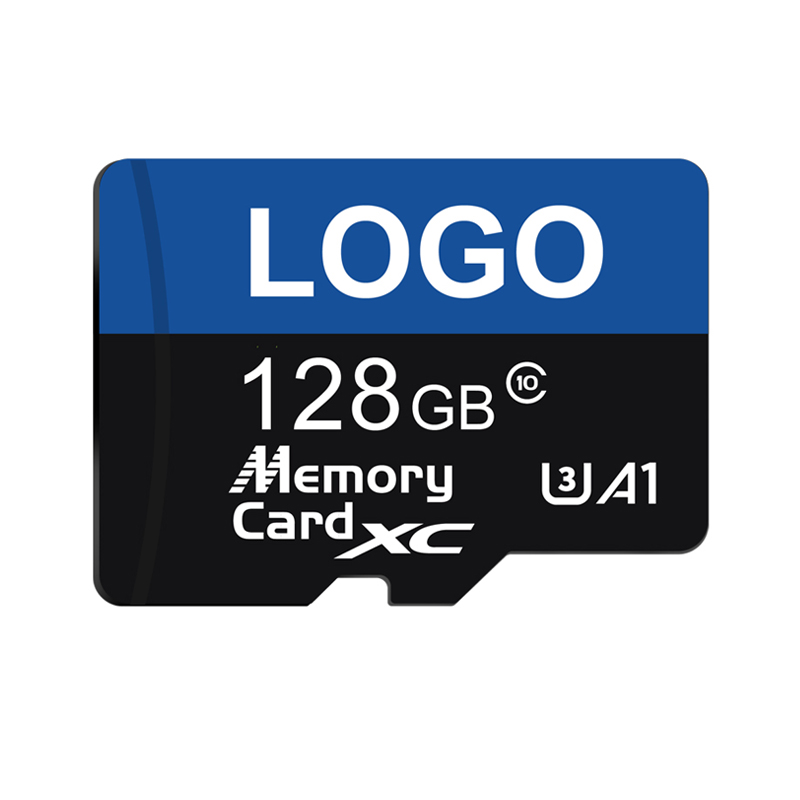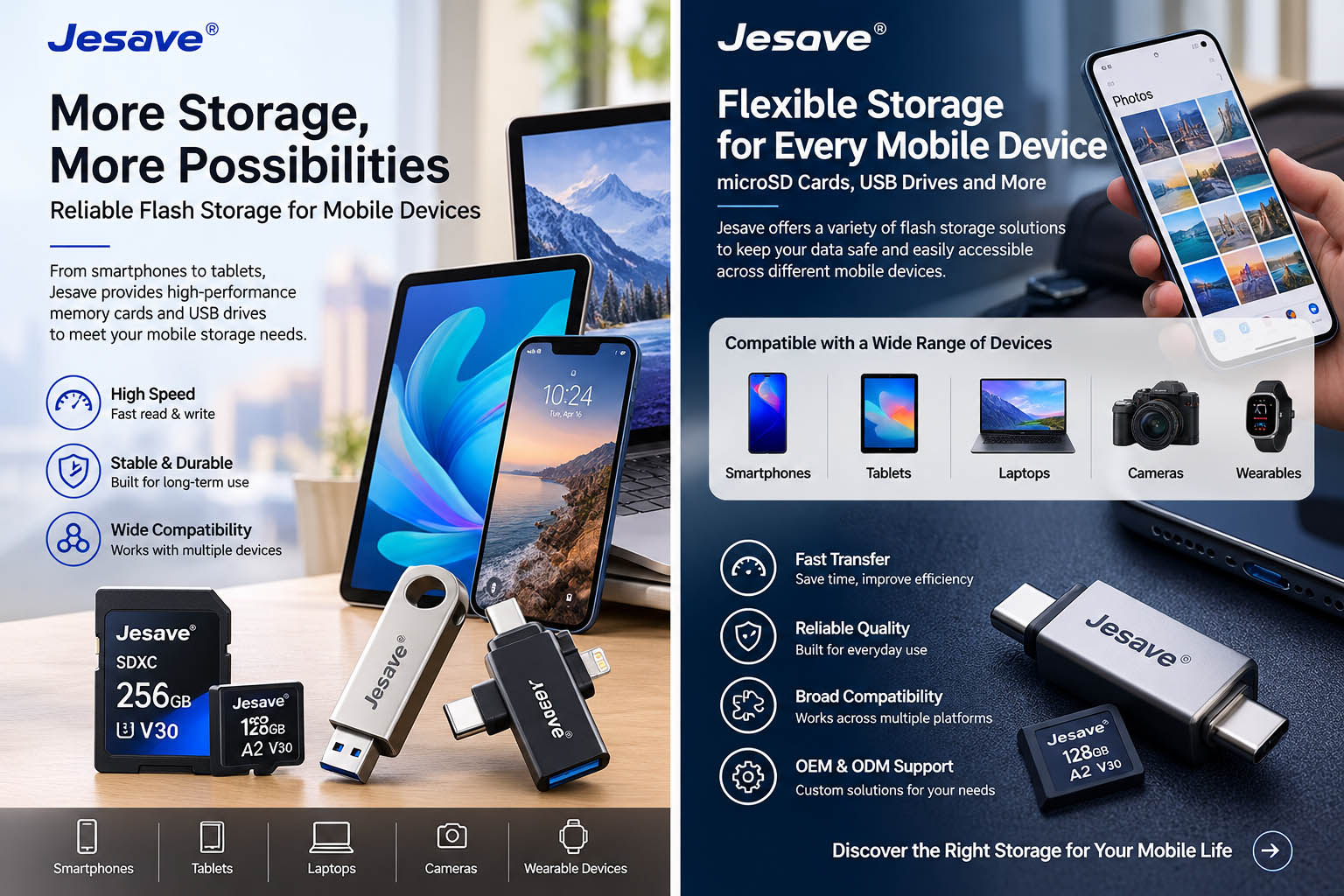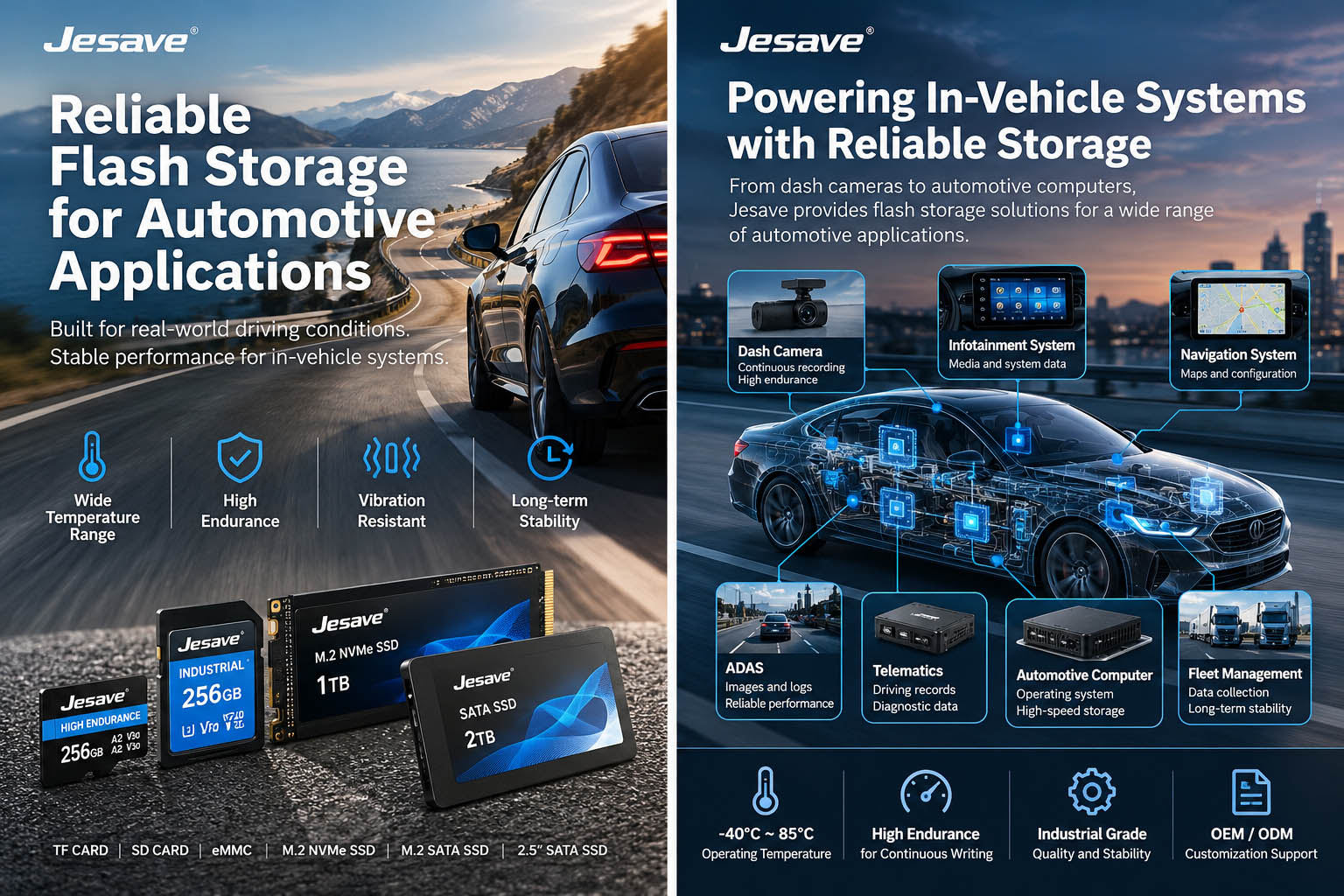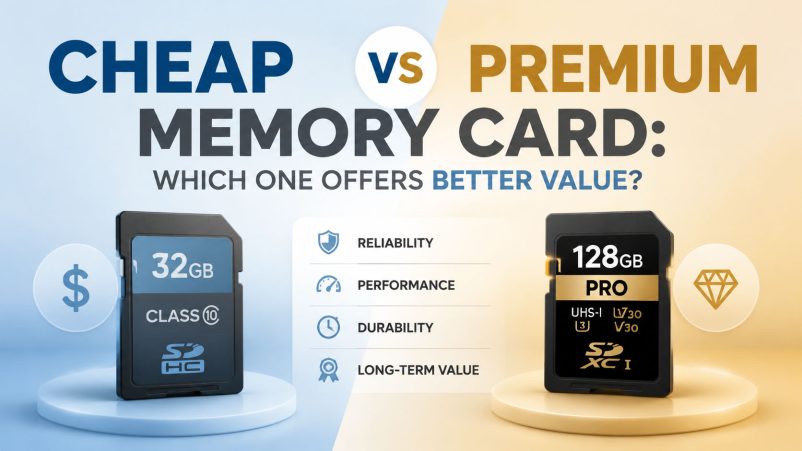
When purchasing a memory card, many buyers face the same question: Should I choose a cheap memory card to reduce costs, or invest in a premium memory card for better performance and reliability?
For consumers, the answer depends on usage scenarios. For businesses, distributors, and OEM buyers, the decision is more complex because factors such as NAND flash quality, controller performance, supply chain stability, factory testing, customization capability, and long-term cost efficiency all affect the real value of a memory card.
As a professional memory card supplier with experience in global storage manufacturing and OEM production, understanding the difference between budget and premium memory cards can help buyers make smarter sourcing decisions.
What Is the Difference Between Cheap and Premium Memory Cards?
At first glance, cheap memory cards and premium memory cards may appear identical. Both may offer the same capacity, such as 32GB, 64GB, 128GB, 256GB, or 512GB. However, the internal components and manufacturing standards can be significantly different.
The main differences usually come from:
- NAND flash memory quality
- Controller chip performance
- Firmware optimization
- Read/write speed consistency
- Quality control standards
- Data protection technology
- Warranty and after-sales support
A low-cost memory card may focus mainly on achieving a competitive price, while a premium memory card focuses on stable performance, durability, and reliability for demanding applications.
For professional users such as photographers, drone manufacturers, surveillance equipment companies, automotive electronics brands, and industrial device manufacturers, reliability is often more valuable than the lowest purchase price.
Cheap Memory Cards: Advantages and Limitations
Advantages of Budget Memory Cards
Cheap memory cards remain popular because they provide affordable storage solutions for everyday applications.
Common advantages include:
- Lower purchase cost
- Suitable for basic file storage
- Competitive pricing for large-volume purchasing
- Ideal for promotional products and entry-level devices
- Flexible options for private label and OEM projects
For applications such as:
- Document storage
- Music storage
- Basic camera use
- Educational devices
- Low-cost electronics accessories
a budget memory card can provide sufficient performance.
Many wholesale buyers search for keywords such as:
- cheap micro SD card supplier
- bulk memory card manufacturer
- wholesale SD card factory
- affordable 128GB micro SD card
- OEM memory card supplier
because price competitiveness is often the first consideration in these markets.
Limitations of Cheap Memory Cards
However, extremely low-priced memory cards may create hidden risks.
Common problems include:
1. Unstable Flash Memory Quality
Some low-cost cards may use lower-grade NAND flash components, resulting in:
- Reduced lifespan
- Slower write speeds
- Higher failure rates after long-term use
2. Inconsistent Performance
A memory card may advertise high capacity and speed, but actual performance can vary between production batches if quality control is insufficient.
3. Limited Customization Capability
Very low-cost suppliers often provide simple products without:
- Customized firmware
- Batch tracking
- Special packaging
- Brand protection solutions
- Professional testing reports
For businesses building their own storage brand, these limitations can affect customer satisfaction.
Premium Memory Cards: Why Are They More Expensive?
Premium memory cards are designed for applications where performance and reliability are critical.
They usually include:
- Higher-grade NAND flash
- Better controller technology
- Optimized firmware
- More strict testing procedures
- Longer product lifecycle support
Premium cards are commonly used in:
- Professional cameras
- 4K/8K video recording
- Drones
- Security cameras
- Automotive systems
- Industrial equipment
- Embedded devices
High-performance cards often require stronger sustained write capability rather than only high peak speed. This is especially important for continuous recording applications.
The Real Value Difference: Price vs Total Cost
Many buyers only compare the unit price of memory cards. However, professional procurement teams usually evaluate the total cost of ownership (TCO).
A cheaper memory card may reduce purchasing costs initially, but failures can create additional expenses:
- Product returns
- Customer complaints
- Warranty replacement
- Brand reputation damage
- Production downtime
A slightly higher-cost memory card with stable quality may actually provide better long-term value.
For example:
| Comparison | Cheap Memory Card | Premium Memory Card |
|---|---|---|
| Initial Cost | Lower | Higher |
| Performance Stability | Medium | High |
| Failure Risk | Higher | Lower |
| Suitable Applications | Basic storage | Professional devices |
| OEM Customization | Limited | Flexible |
| Long-Term Value | Depends on usage | Usually higher |
How Supply Chain Experience Creates Better Memory Card Value
In the memory storage industry, product quality is closely connected with supply chain management.
A professional memory card manufacturer does not simply assemble components. It manages the entire process, including:
- NAND flash sourcing
- Controller matching
- Firmware optimization
- Production testing
- Capacity verification
- Speed verification
- Packaging customization
- Shipment quality inspection
A strong supply chain allows manufacturers to provide:
Stable Component Supply
Direct cooperation with upstream suppliers helps maintain consistent NAND flash quality and reduces production fluctuations.
Better Cost Control
Large-scale purchasing allows factories to optimize costs while maintaining product quality.
Faster OEM Response
Professional manufacturers can support:
- Custom logo printing
- Customized packaging
- Private label memory cards
- Special capacity requirements
- Different market certifications
OEM and private-label memory card production has become increasingly important for electronics brands, distributors, and retailers looking for differentiated products.
OEM Memory Card Manufacturing: A Better Choice for Brand Owners
For companies searching for:
- OEM micro SD card manufacturer
- private label memory card supplier
- custom SD card factory
- branded memory card wholesale
- memory card ODM supplier
OEM manufacturing provides more control over the final product.
A reliable OEM partner can offer:
Custom Branding
Including:
- Logo printing
- Customized card design
- Retail packaging
- User manuals
- Product labels
Customized Performance Options
Different markets require different specifications:
- Standard Class 10 cards
- UHS-I high-speed cards
- A1/A2 application cards
- Industrial-grade micro SD cards
- High endurance surveillance cards
Quality Traceability
Professional OEM suppliers can provide:
- Batch testing
- Capacity verification
- Speed testing reports
- Production records
This helps brands maintain consistent quality across global markets.
How International Buyers Choose the Right Memory Card Supplier
Global buyers usually evaluate suppliers based on several factors.
1. Factory Capability
Search keywords often include:
- memory card manufacturer China
- SD card OEM factory
- micro SD card supplier
- bulk memory card supplier
A qualified factory should have:
- Production capability
- Quality control system
- Testing equipment
- OEM experience
2. Application Matching
The best memory card is not always the most expensive one.
Choose according to application:
For Consumer Electronics
Recommended:
- Cost-effective micro SD cards
- Standard speed cards
- Reliable mainstream solutions
For Dash Cameras and Surveillance
Recommended:
- High endurance memory cards
- Stable continuous writing performance
For Cameras and Drones
Recommended:
- High-speed SD cards
- UHS-I/UHS-II solutions
- Professional-grade products
For Industrial Equipment
Recommended:
- Industrial memory cards
- Wide-temperature solutions
- Long lifecycle products
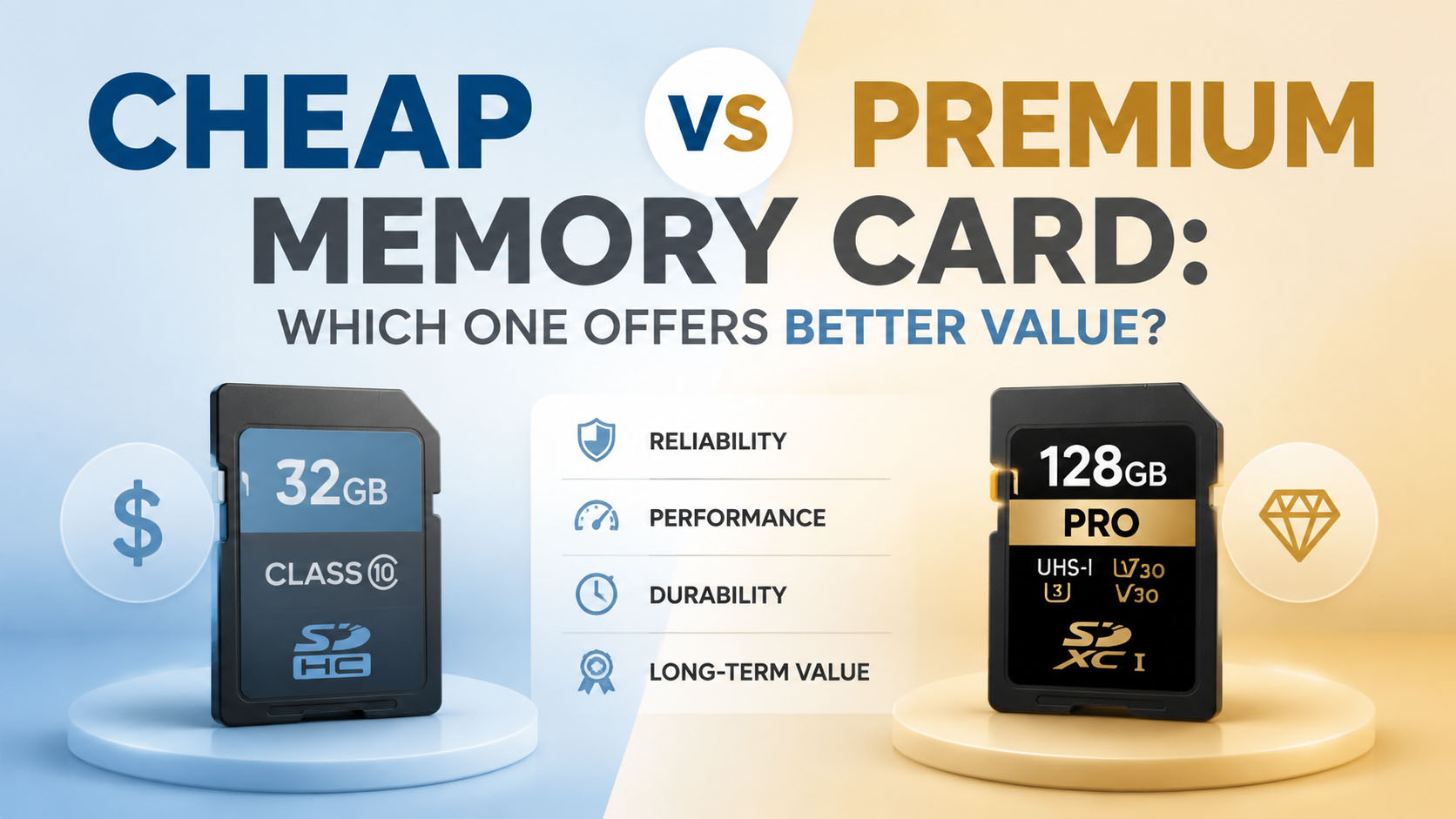
Cheap vs Premium Memory Card: Which One Offers Better Value?
The answer depends on the application.
A cheap memory card offers better value when:
- The device has basic storage requirements
- The replacement cost is low
- Large volumes require aggressive pricing
A premium memory card offers better value when:
- Data security is important
- Continuous operation is required
- Product reliability affects brand reputation
- The device itself has high value
For wholesalers, distributors, and OEM customers, the best solution is often not choosing the cheapest or the most expensive product, but selecting the right balance between price, quality, supply chain stability, and customization capability.
Why Choose an Experienced OEM Memory Card Supplier?
A professional memory card manufacturer can help businesses reduce sourcing risks through:
- Stable supply chain management
- Competitive factory pricing
- Flexible OEM customization
- Strict quality testing
- Global export experience
Whether you need bulk memory cards, private label micro SD cards, customized SD cards, or reliable storage solutions for electronic products, working with an experienced OEM partner can create stronger market competitiveness.
The real value of a memory card is not only its price — it is the combination of performance, reliability, manufacturing capability, and long-term supply support.